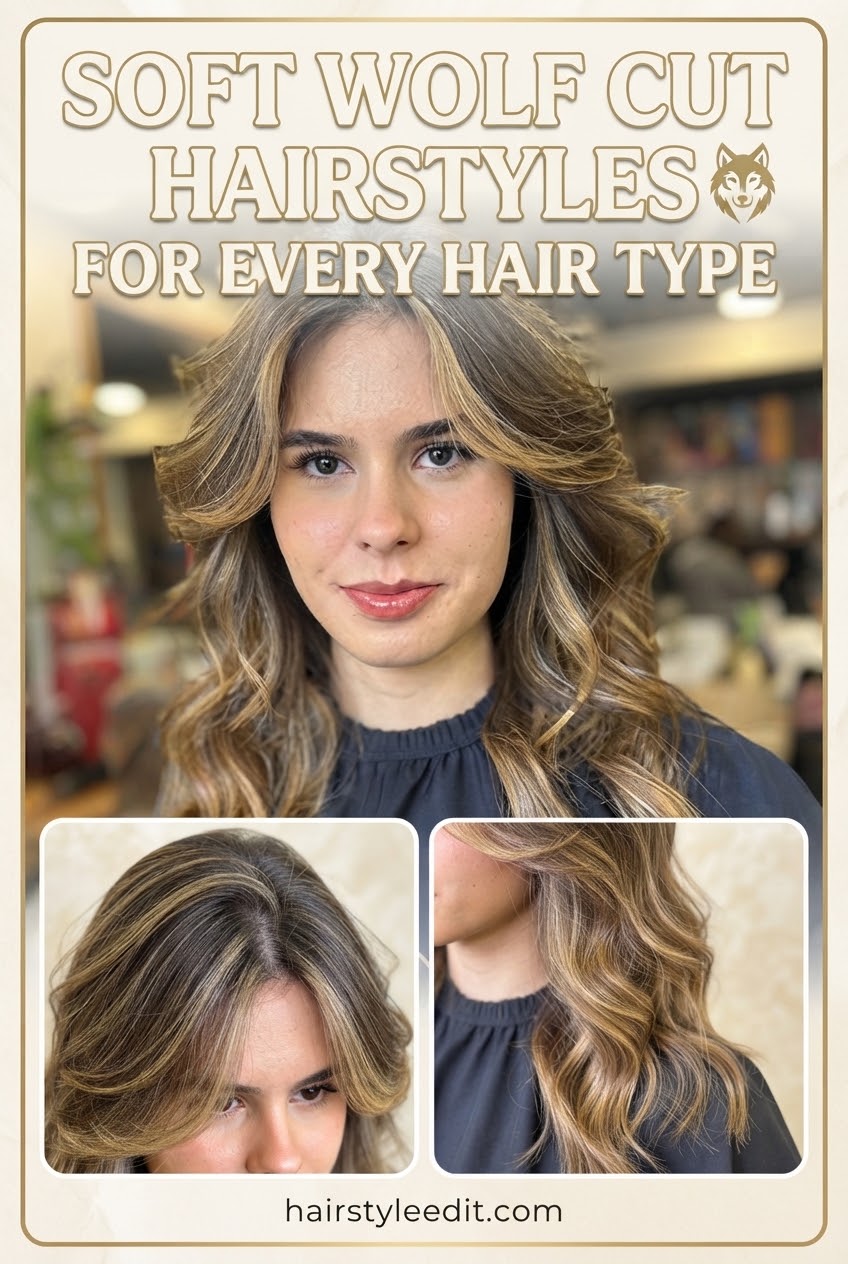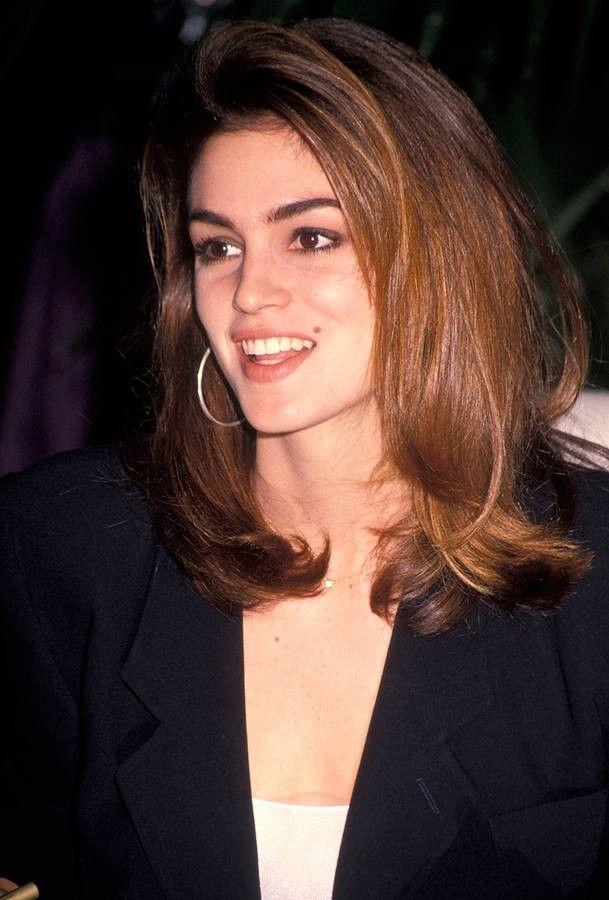
The soft wolf cut hairstyle has become a popular choice for anyone who wants movement without an overly dramatic shape. I look at it as the gentler side of the wolf cut family: blended layers, lighter texture, and a shape that can be adjusted for different lengths and hair types. Recent hairstyle coverage continues to highlight softer versions with curtain bangs, flowing layers, and wearable texture.
This guide collects visual ideas from face-framing layers to retro-inspired finishes. Each variation shows how the cut changes depending on length, density, texture, and styling preference.
Soft Wolf Cut Hairstyle with Face-Framing Layers
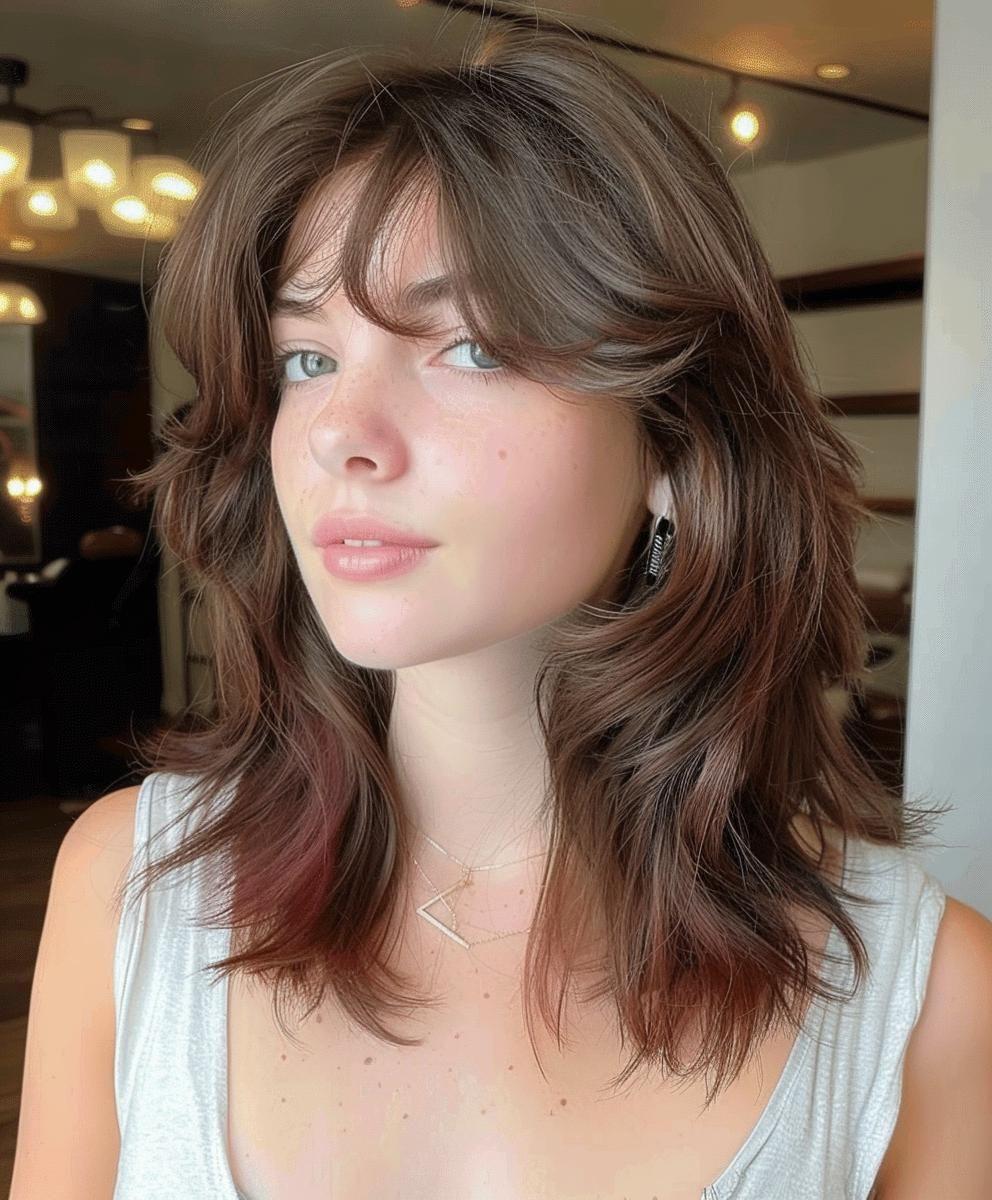
Face-framing layers are the starting point for a soft wolf cut shape because they connect the shorter crown pieces with the longer lengths. This version keeps the movement visible while avoiding a sharp mullet effect.
I prefer this approach when someone wants noticeable texture but still wants the haircut to feel easy for everyday styling. The layers should follow the natural fall of the hair rather than forcing a fixed shape.
Long Soft Wolf Cut with Flowing Texture
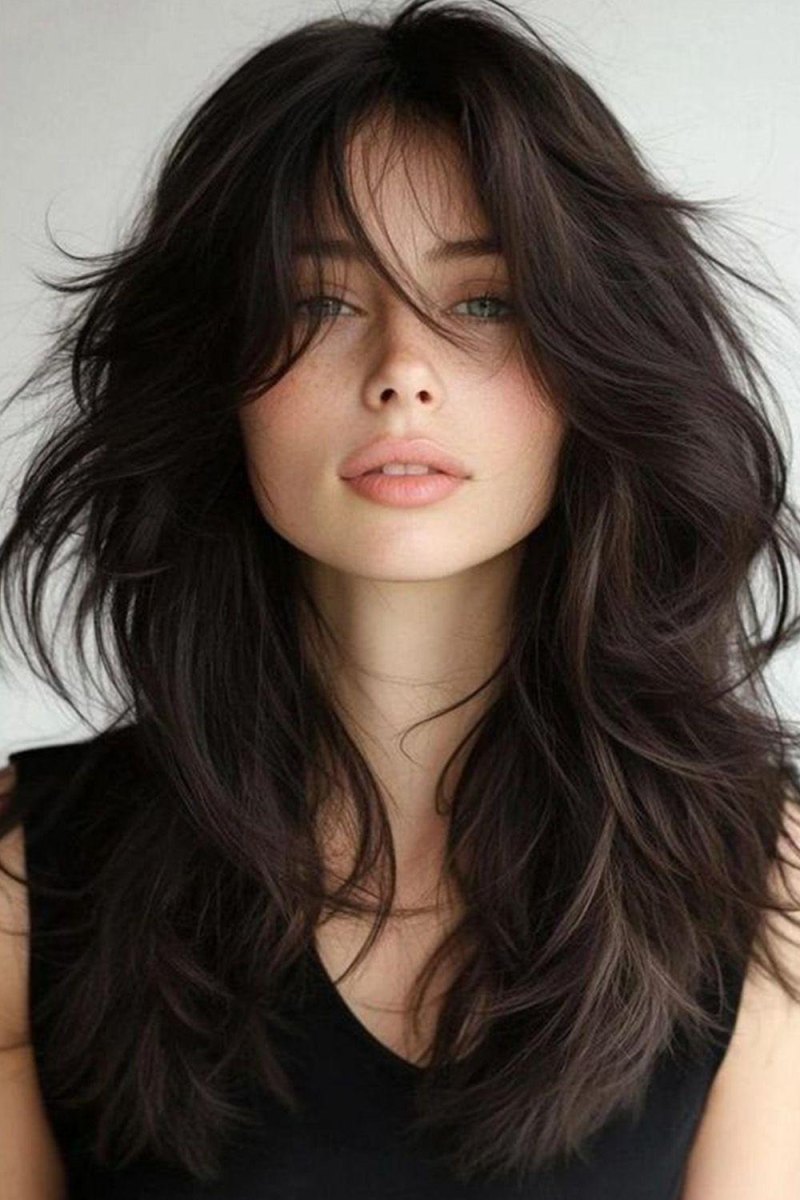
A long soft wolf cut keeps the length while adding flowing textured layers through the crown and ends. It works well for people who like movement but do not want to lose their longer hair.
The main consideration is weight removal. Too many short layers can make long hair feel disconnected, so the cut needs a balanced transition.
Short Soft Wolf Cut for a Modern Look
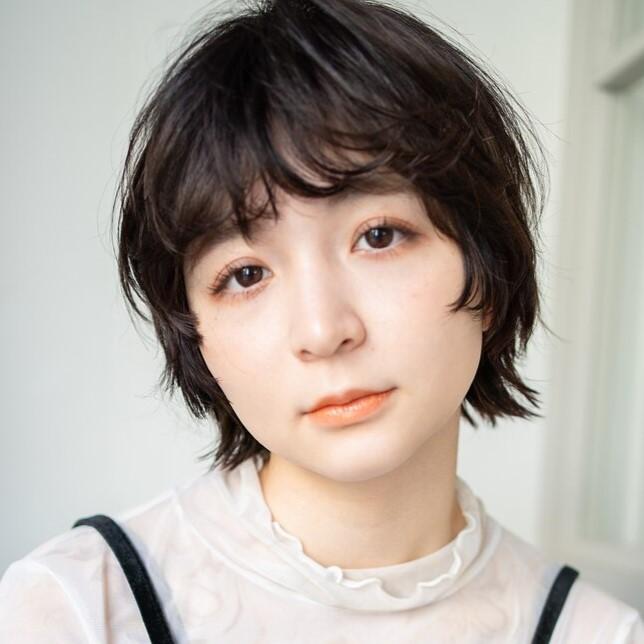
The short version creates a stronger silhouette with modern cropped layers around the crown. Short wolf cuts often use soft bangs and textured ends to keep the shape flexible.
I like this option for people who want a noticeable change without relying on heavy styling tools every morning.
Soft Wolf Cut with Curtain Bangs
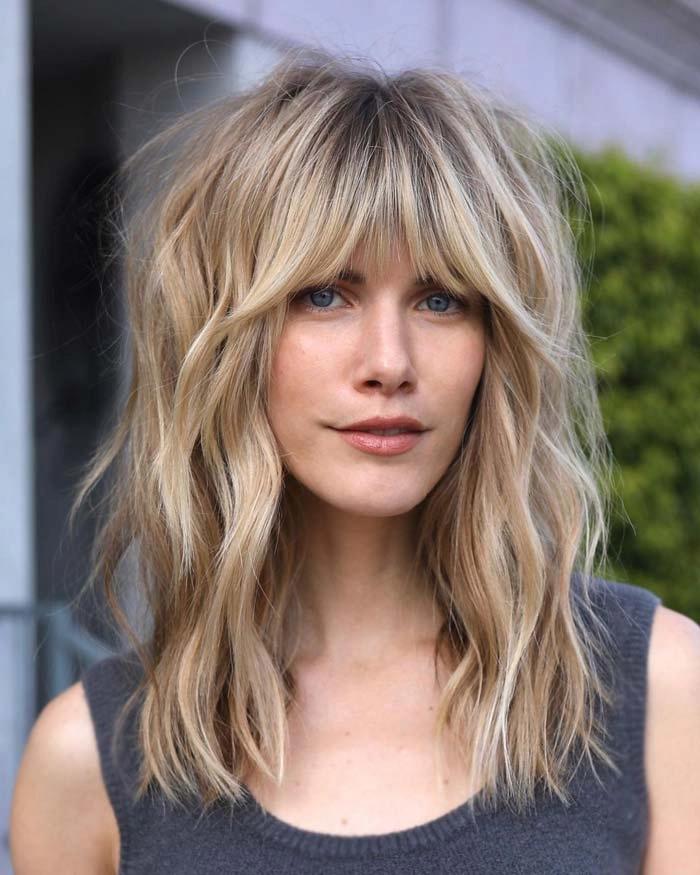
Curtain bangs are one of the most requested pairings because they blend naturally into face-framing wolf layers. They create a softer entry point into the haircut compared with a heavier fringe.
A good consultation should cover bang length, parting habits, and how much daily styling feels realistic.
Soft Wolf Cut on Medium-Length Hair
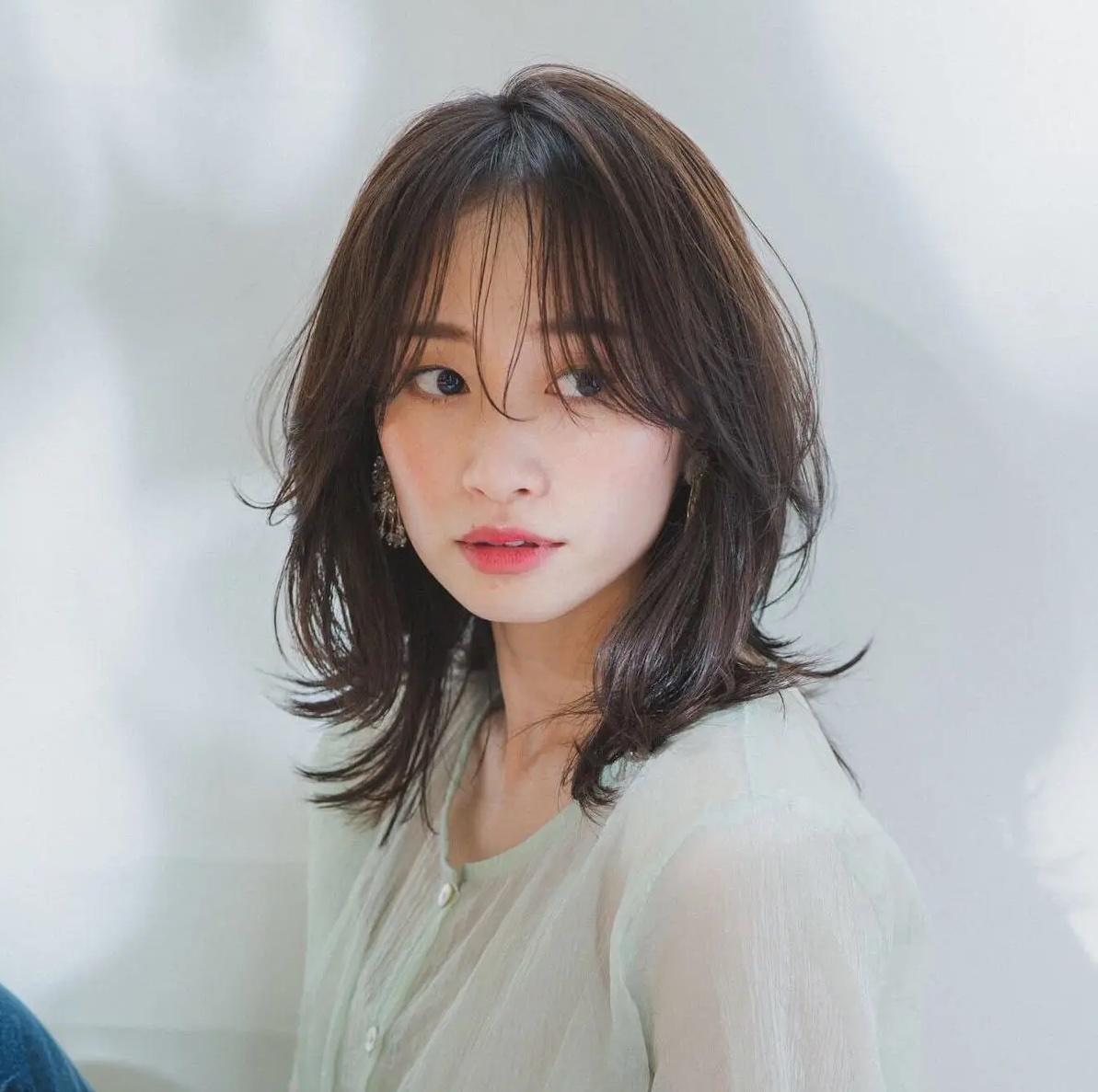
Medium-length hair gives the balanced wolf cut enough space for visible layers without requiring very long lengths. This is often the most adaptable version.
The shortest layers and overall density should be adjusted carefully because medium hair shows shape changes quickly.
Soft Wolf Cut with Wispy Bangs
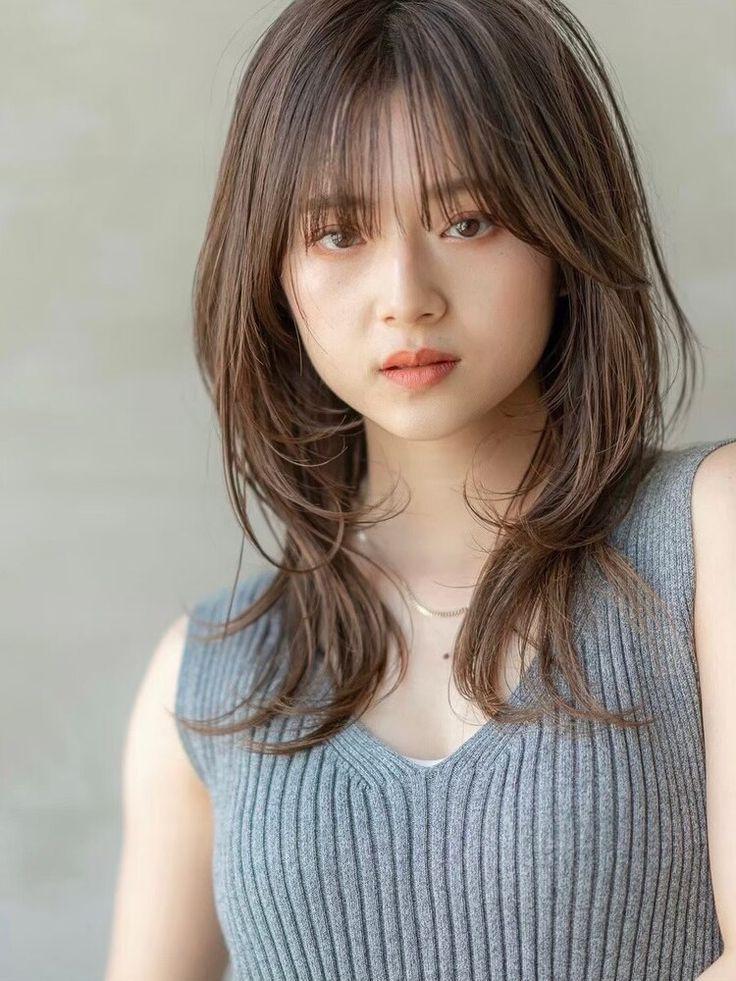
Wispy bangs add a lighter finish to the textured wolf cut style. They suit people who want forehead coverage without a dense fringe.
I find this version works best when the bangs remain airy and connected to the surrounding layers.
Soft Wolf Cut for Thick Hair
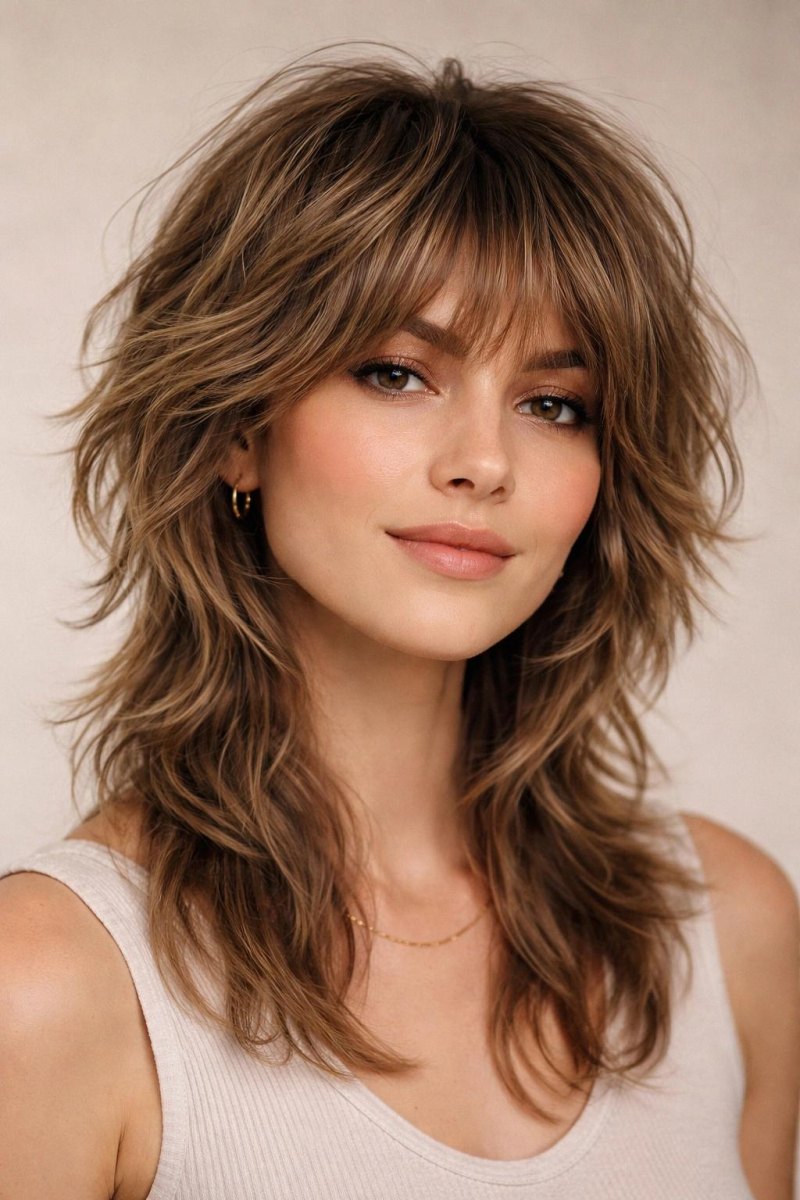
Thick hair can carry a layered wolf cut structure because there is enough density for movement. Removing weight strategically helps prevent the style from becoming bulky.
The goal is controlled texture, not simply taking out as much hair as possible.
Soft Wolf Cut for Fine Hair Volume
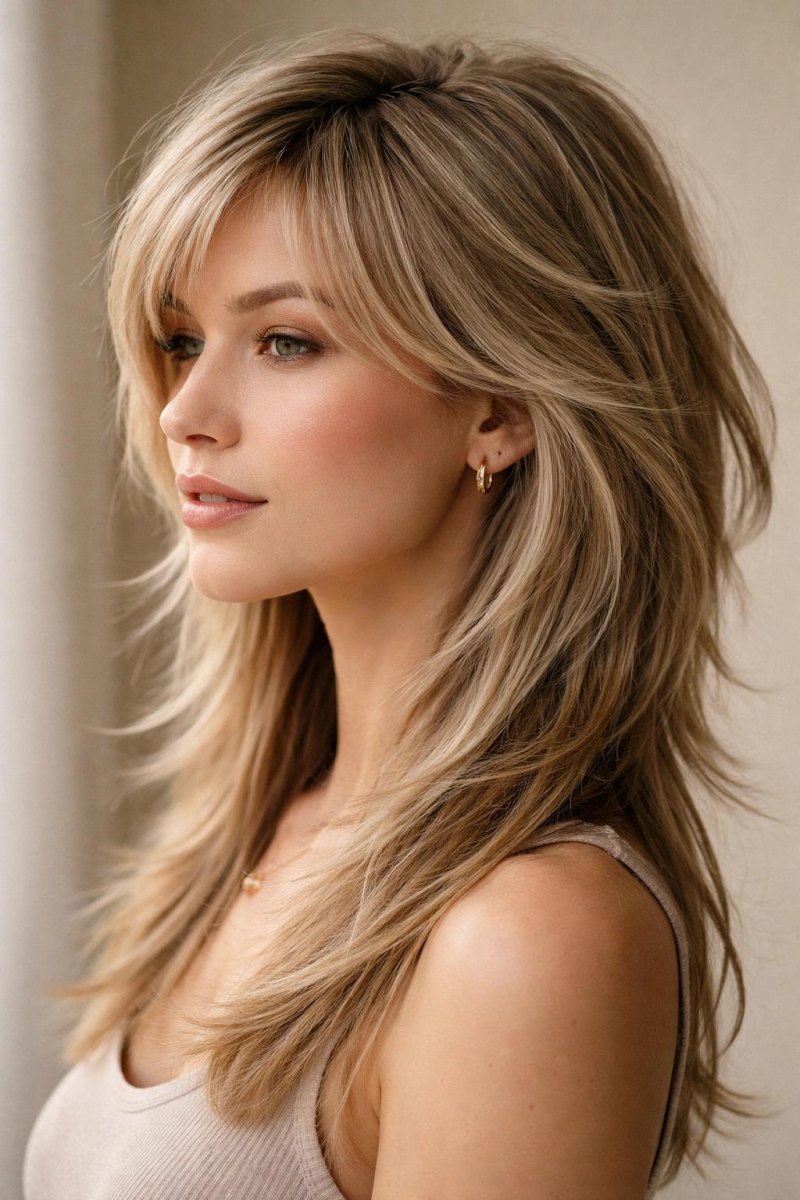
Fine hair needs careful placement of volume-building layers. Too many short pieces can reduce fullness instead of creating it.
A softer wolf cut with longer blended layers can give fine hair visible movement while keeping the ends looking healthy.
Soft Wolf Cut with Natural Waves
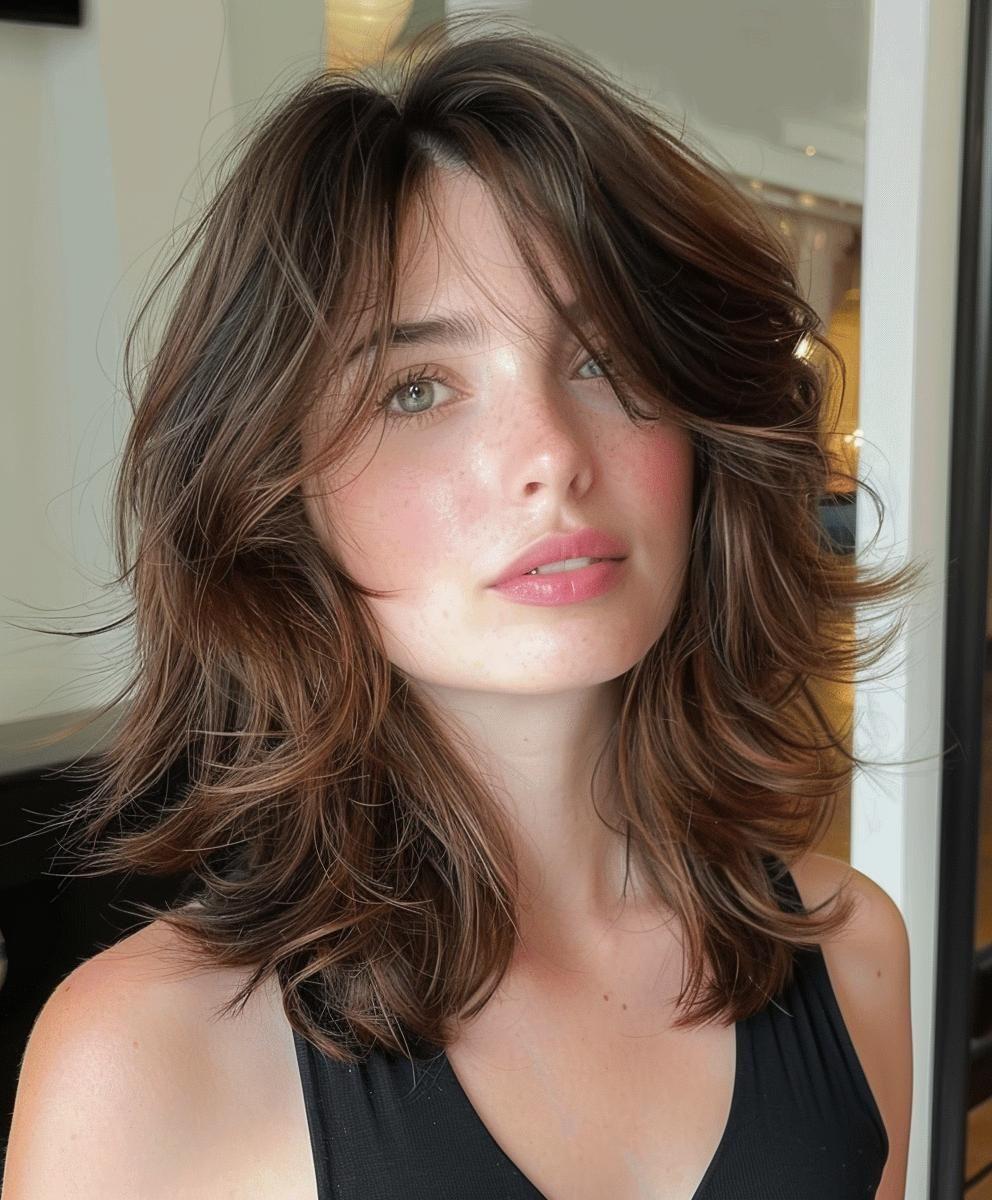
Natural waves often pair well with a wavy wolf cut texture because the layers encourage movement. The haircut should work with the wave pattern rather than fighting it.
Light styling products can help define separation, but the cut itself does most of the shaping.
Straight Hair Soft Wolf Cut Style
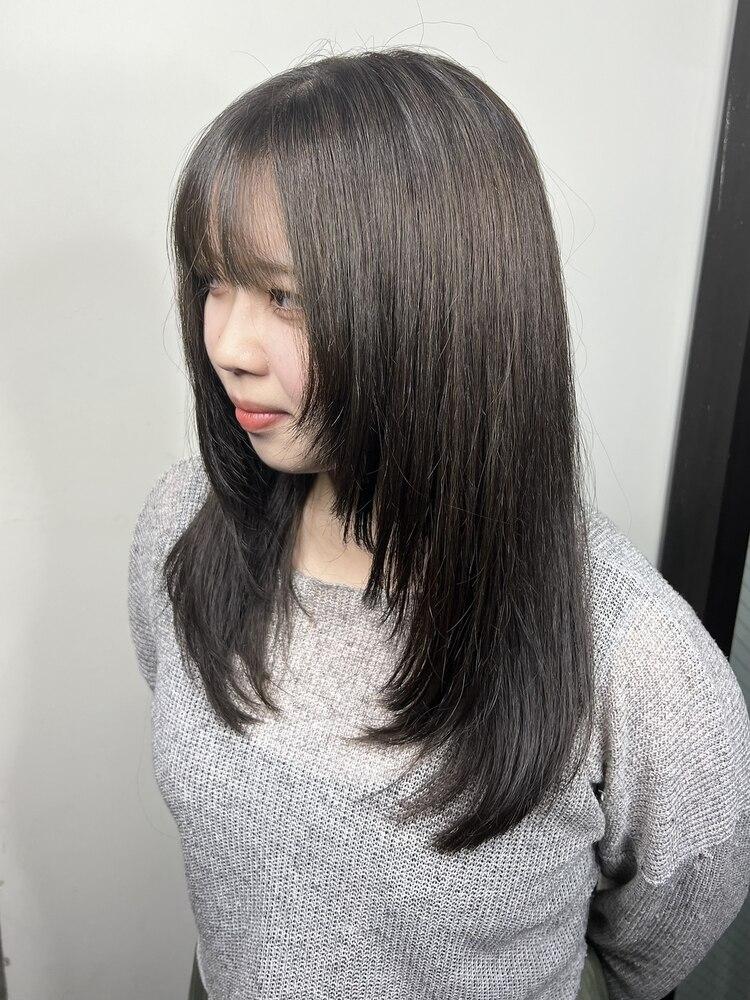
Straight hair shows every line of a soft layered wolf cut, making the cutting technique especially important. Blended layers prevent the shape from looking too harsh.
This version often benefits from subtle bends created with heat styling, along with heat protection before using hot tools.
Soft Wolf Cut with Shag-Inspired Layers
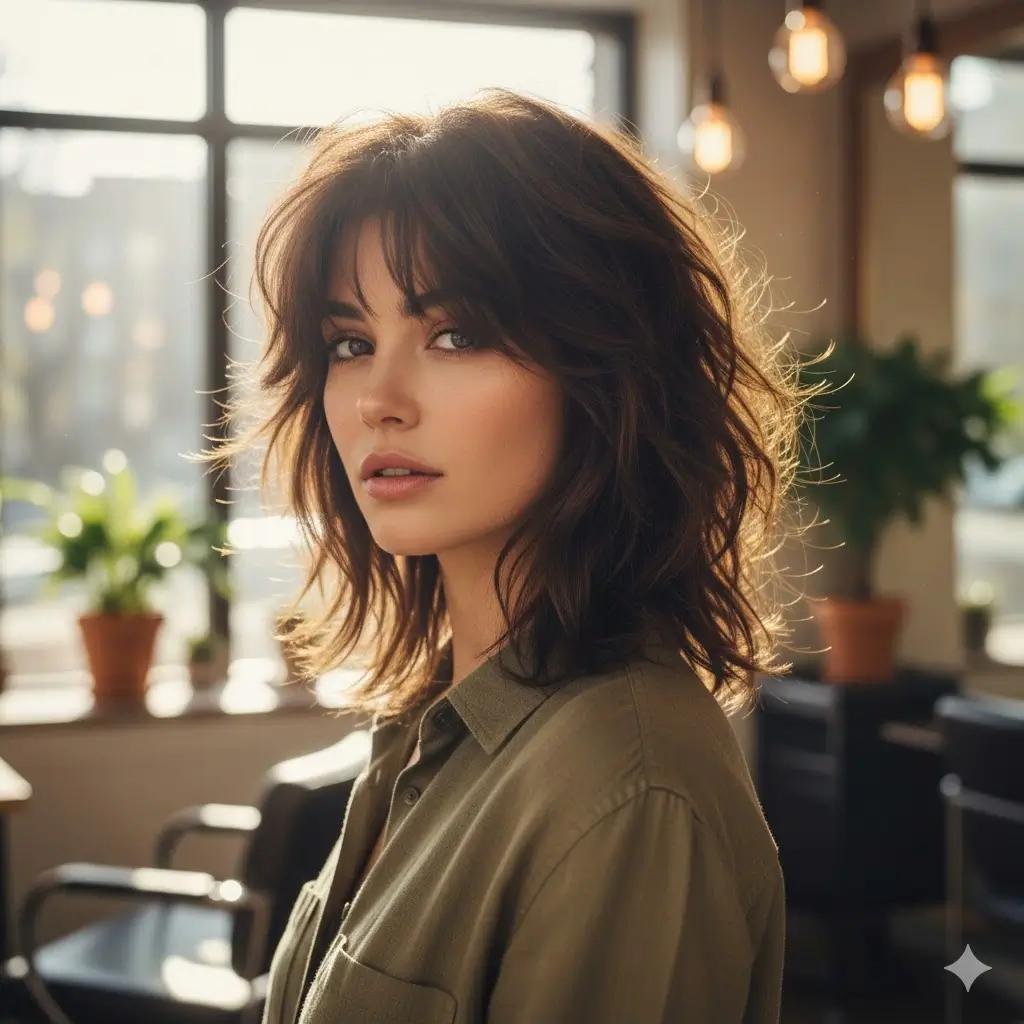
The shag influence brings extra piecey layered movement while keeping the wolf cut softer. This combination sits between a classic shag and a modern wolf shape.
I would ask for blended texture rather than extreme separation if the goal is a wearable finish.
Soft Wolf Cut with Subtle Color Highlights
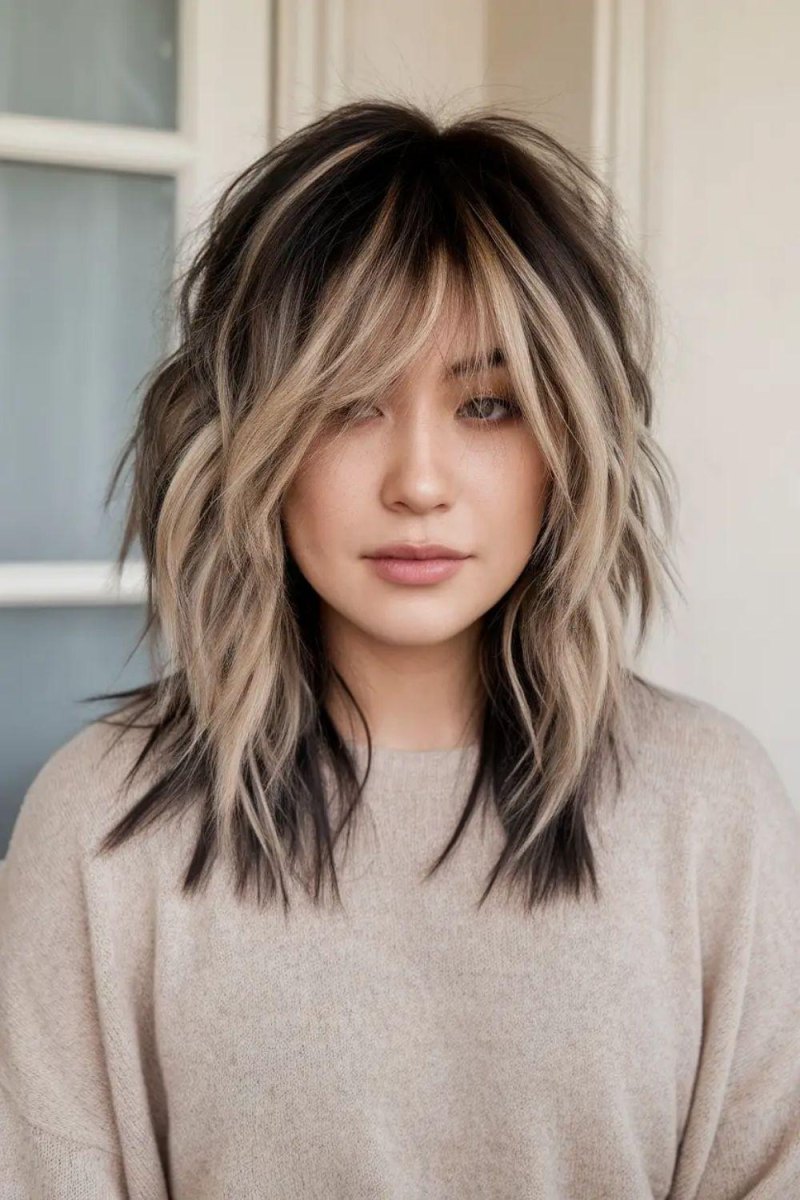
Subtle highlights can emphasize the dimension of wolf cut layers by making individual pieces easier to see.
Any colour service should include a 48-hour allergy test and a strand test, and previous henna or metallic-salt dye history should be shared with a colourist.
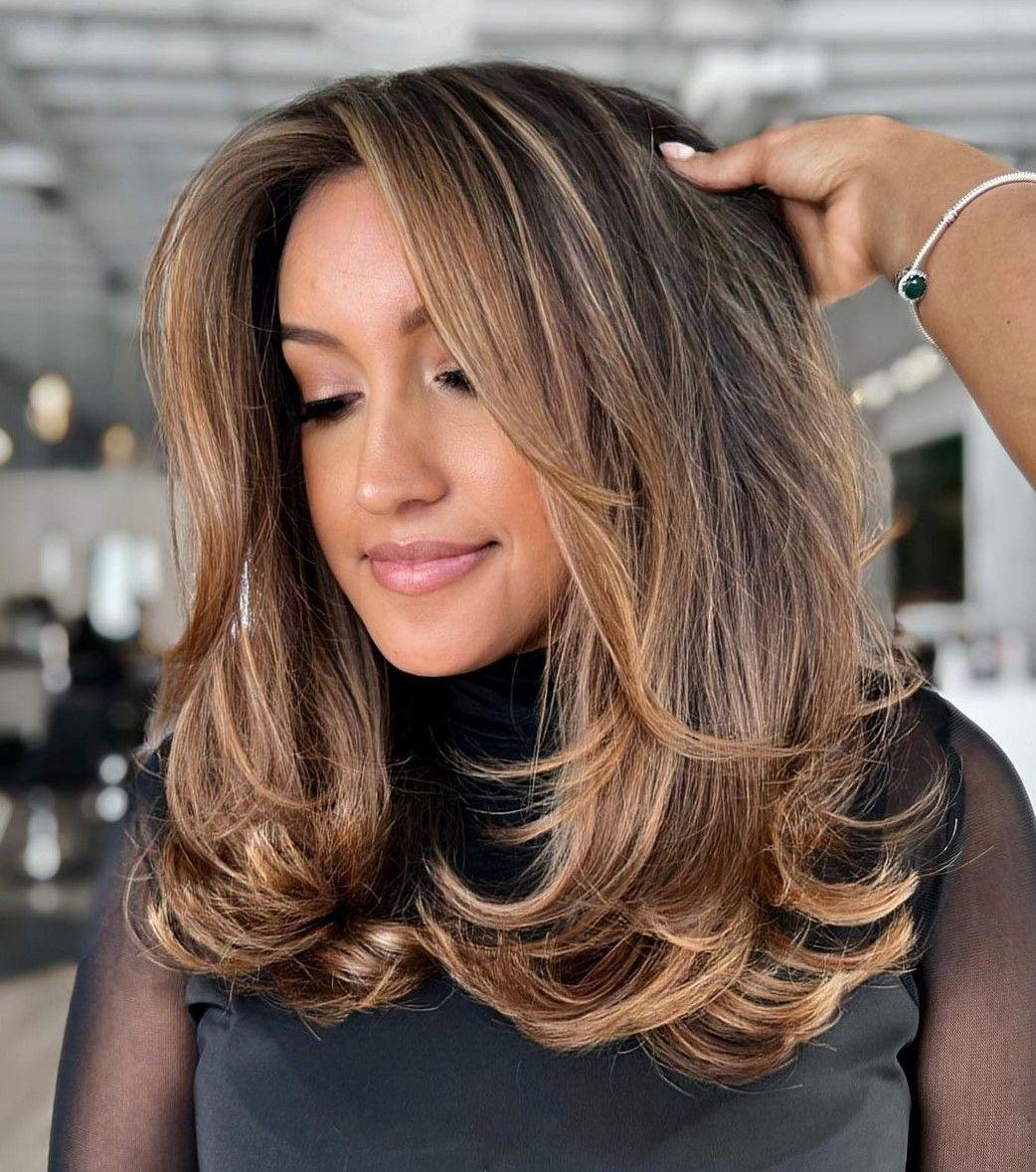
Soft Wolf Cut with Balayage Hair Color
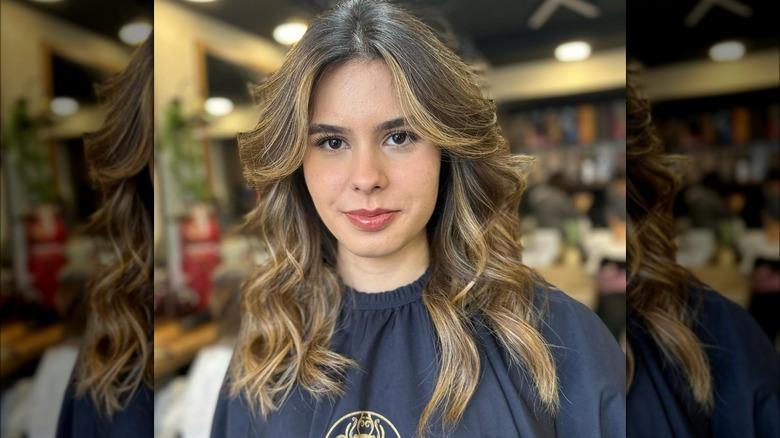
Balayage can add depth to a soft wolf cut colour design because the layers naturally separate into different sections.
Colour maintenance varies widely by formula and region. Bleaching and major lightening should be handled in a salon rather than attempted at home.
Soft Wolf Cut for Round Face Shapes
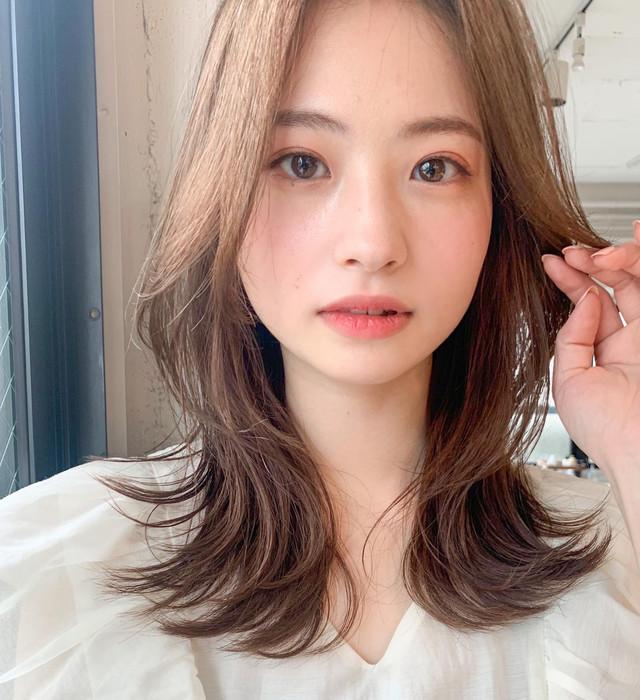
For round face shapes, many people explore a vertical layered wolf cut because crown movement can change the overall silhouette.
Face shape is only one factor. Hair density, texture, and personal styling habits matter just as much when choosing layer placement.
Soft Wolf Cut for Oval Face Shapes
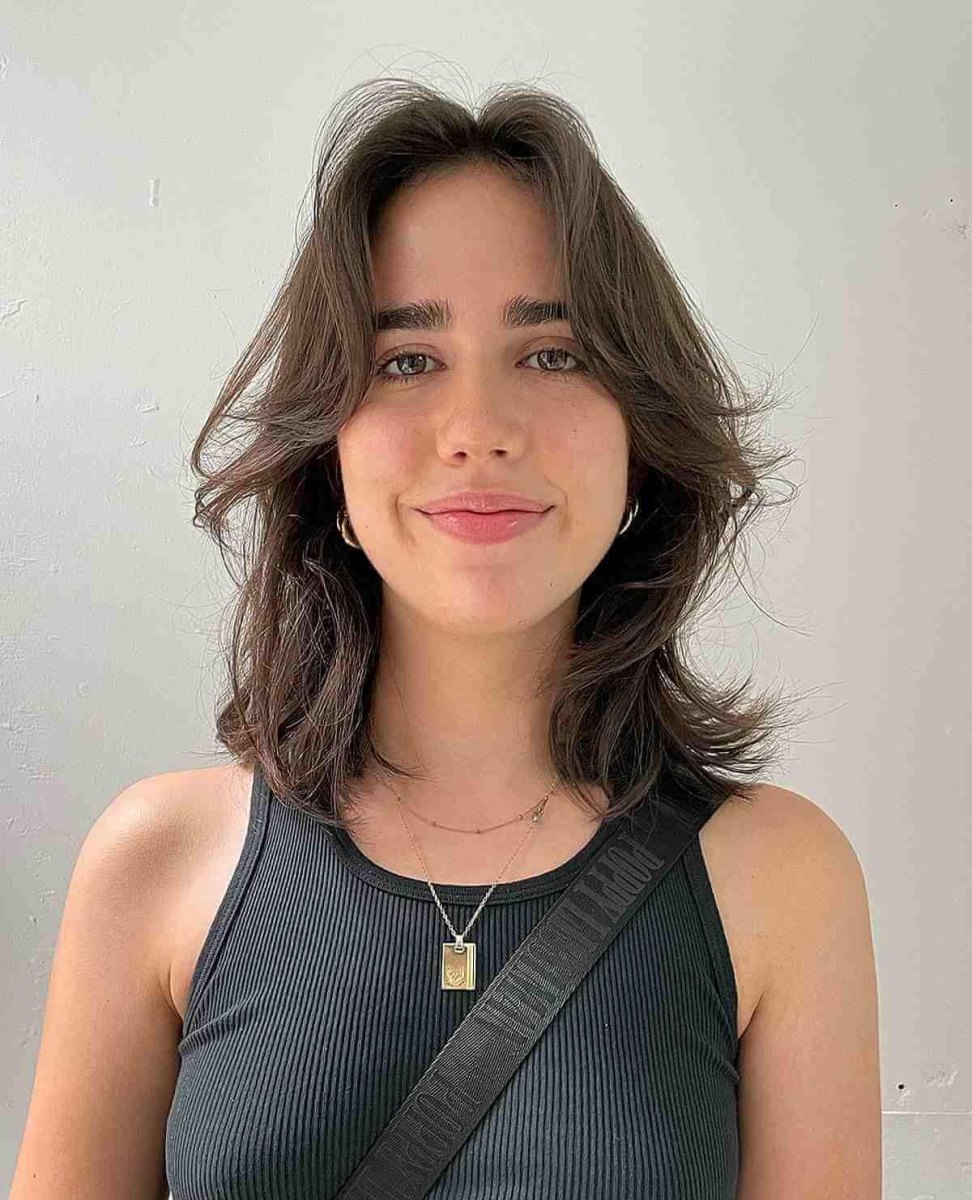
Oval face shapes can experiment with many wolf cut variations because the proportions allow different fringe and layer choices.
I would still focus the consultation on hair behaviour rather than using face shape as a strict rule.
Soft Wolf Cut with Retro Inspiration
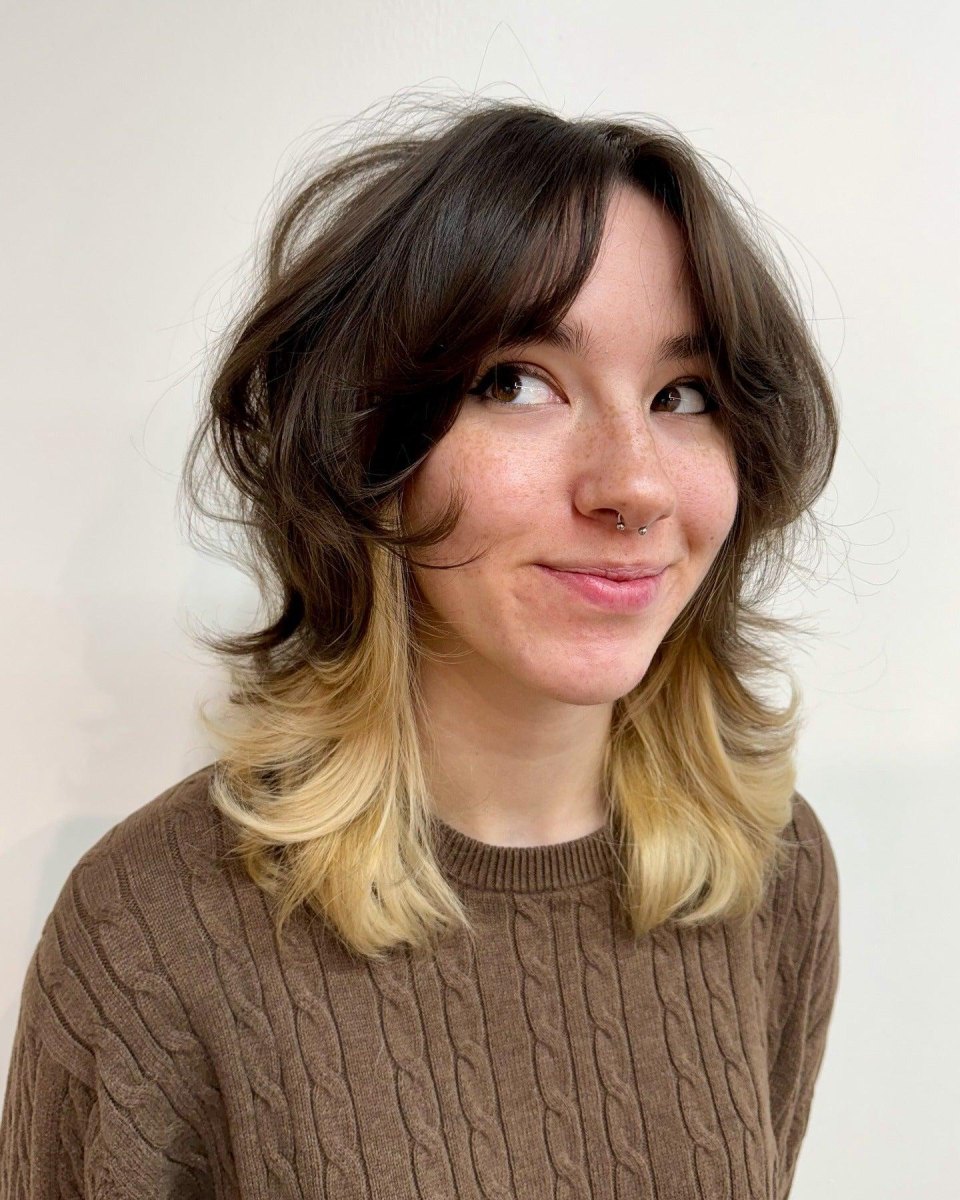
The retro version borrows from shag and rock-inspired cuts while keeping soft modern layering. Current interpretations often mix vintage texture with wearable shapes.
This style works best when the amount of volume matches the person's preferred routine.
Soft Wolf Cut Styled with Loose Curls
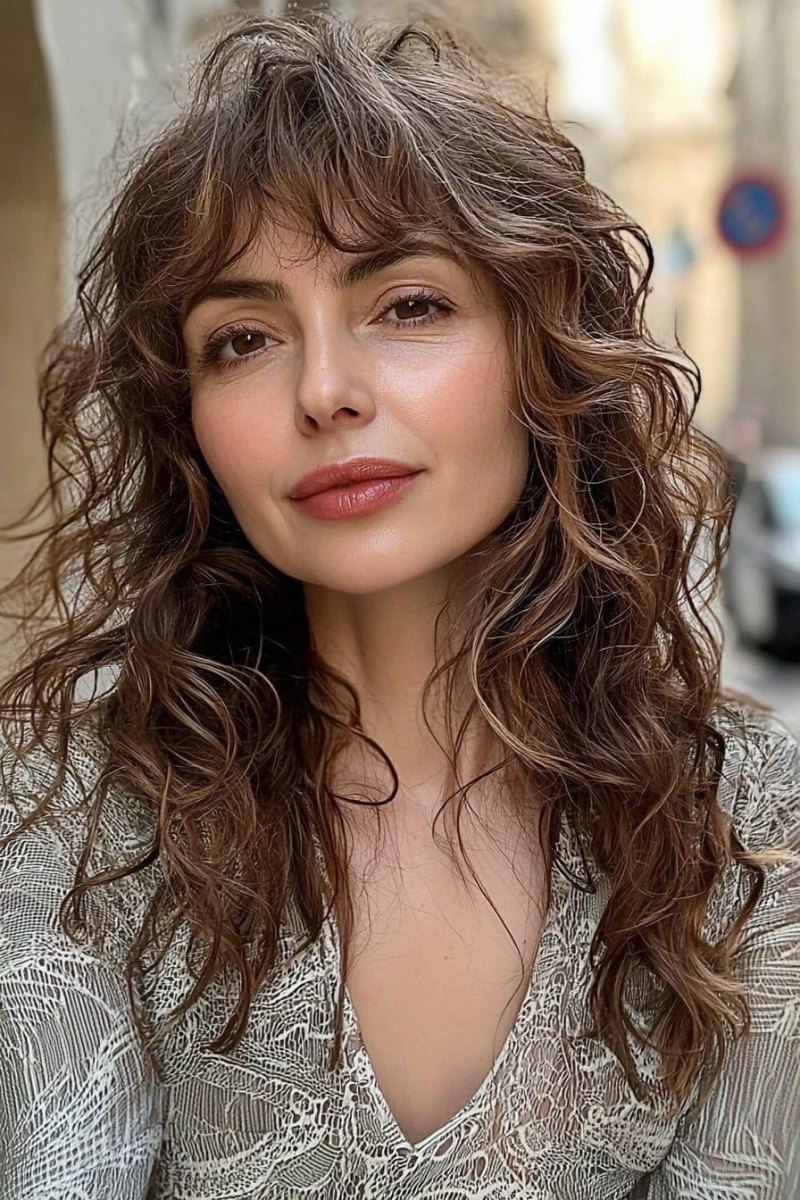
Loose curls highlight the movement of wolf cut layers and can make the shape appear fuller.
Curly and coily textures need curl-aware cutting techniques, and I would recommend discussing dry versus wet cutting methods with a stylist.
Soft Wolf Cut with Effortless Everyday Styling
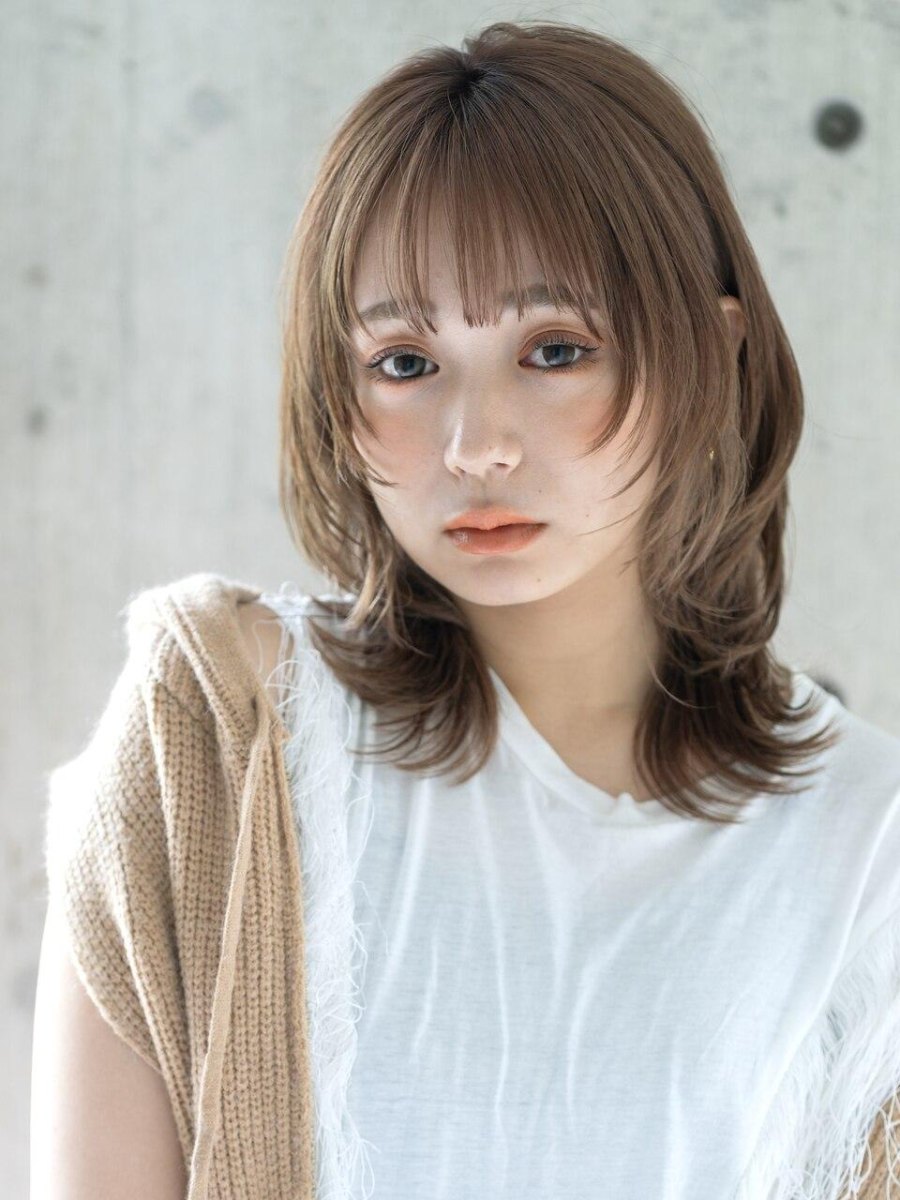
The appeal of this cut is often the low-effort textured finish. A quick refresh with suitable styling products can bring back separation between layers.
Regular trims are usually needed to maintain the intended shape, with many guides suggesting appointments around every 6 to 8 weeks depending on growth and style preference.
Soft Wolf Cut Hairstyle with Layered Movement
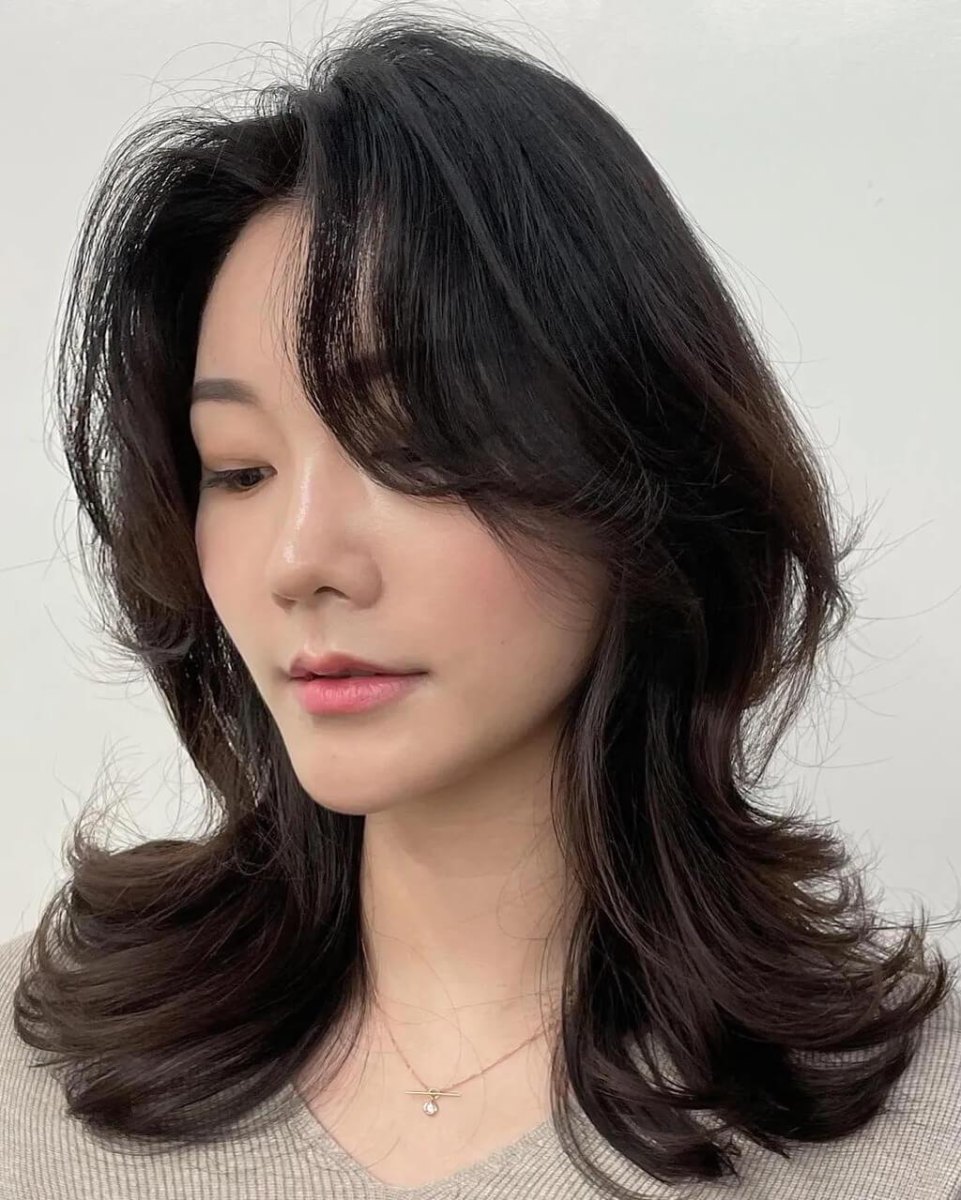
Layered movement is the defining feature of a soft wolf cut silhouette. The haircut relies on transitions between lengths rather than a single dramatic line.
This makes it easier to customise for fine, thick, straight, or wavy hair.
Soft Wolf Cut Hairstyle Trends and Inspirations
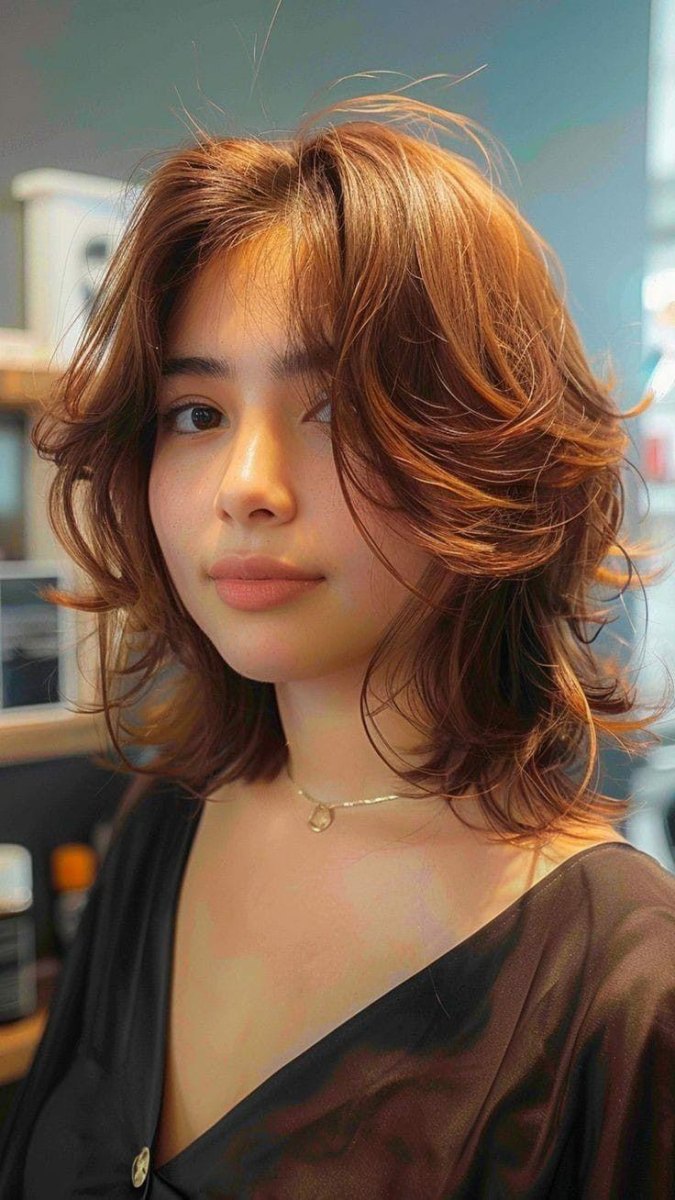
The latest soft wolf cut ideas continue to focus on customised texture and movement instead of one fixed formula. Length, bangs, and styling choices create very different results.
When saving reference photos, I recommend choosing images with similar hair density and texture so the consultation starts from a realistic goal.
More Pinterest Visuals