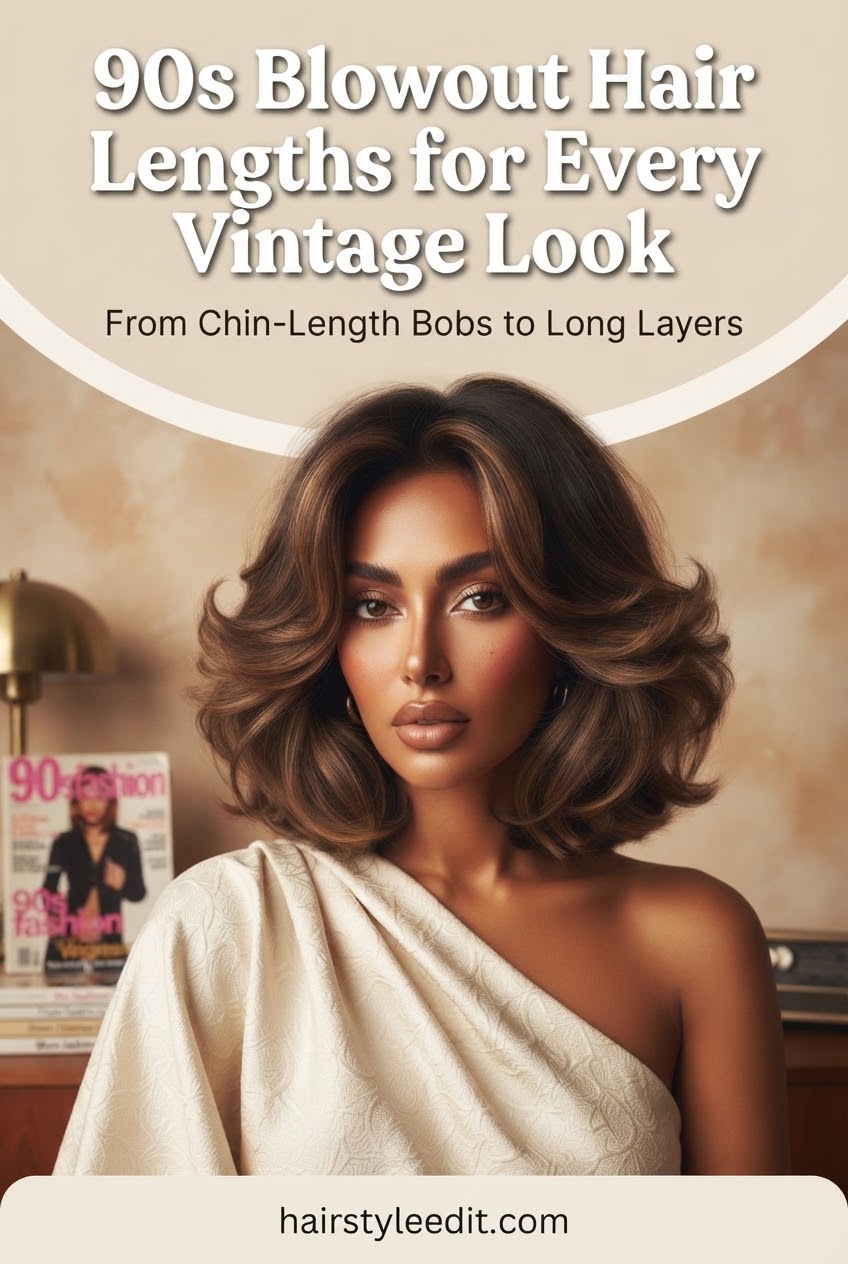

The 90s blowout hair trend is built around movement, rounded volume, and soft layers rather than stiff height. Recent hair coverage has highlighted the return of supermodel-inspired blowouts, curtain layers, bouncy finishes, and polished volume.
I look at length first because it decides the entire shape. A shoulder cut creates bounce quickly, while longer layers create the cascading movement associated with classic 90s styling. This guide breaks down the main lengths, what each one needs, and where the look works best.
Shoulder-Length 90s Blowout Hair
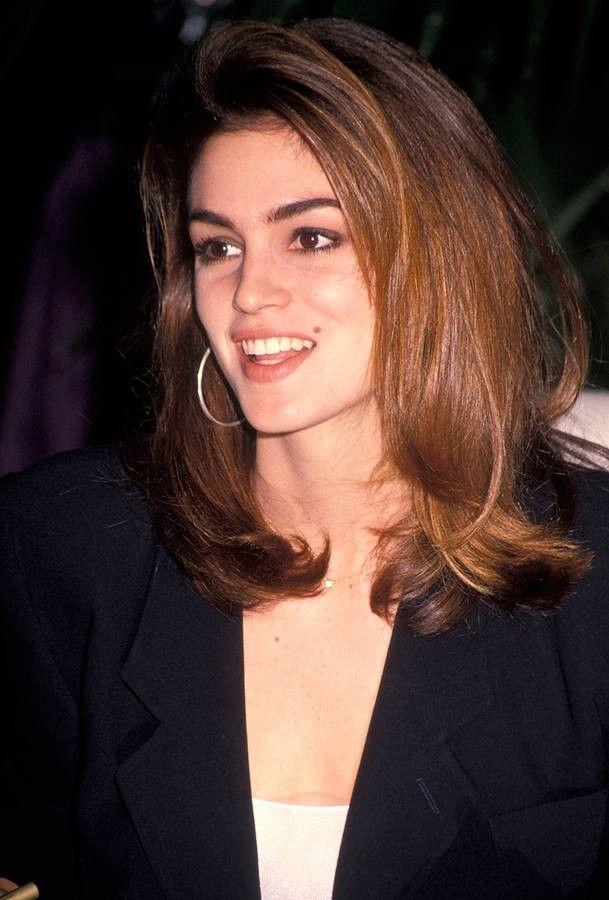
Shoulder-length blowouts are one of the easiest ways to get the 90s shape because the ends naturally sit where a round brush can create movement. This length usually needs fewer rollers and less drying time than longer versions.
Fine hair often benefits from shorter layers for lift, while thick hair may need weight removed carefully so the style does not expand too much. A heat protectant is essential before repeated blow-drying.
Collarbone-Length 90s Blowout Hair
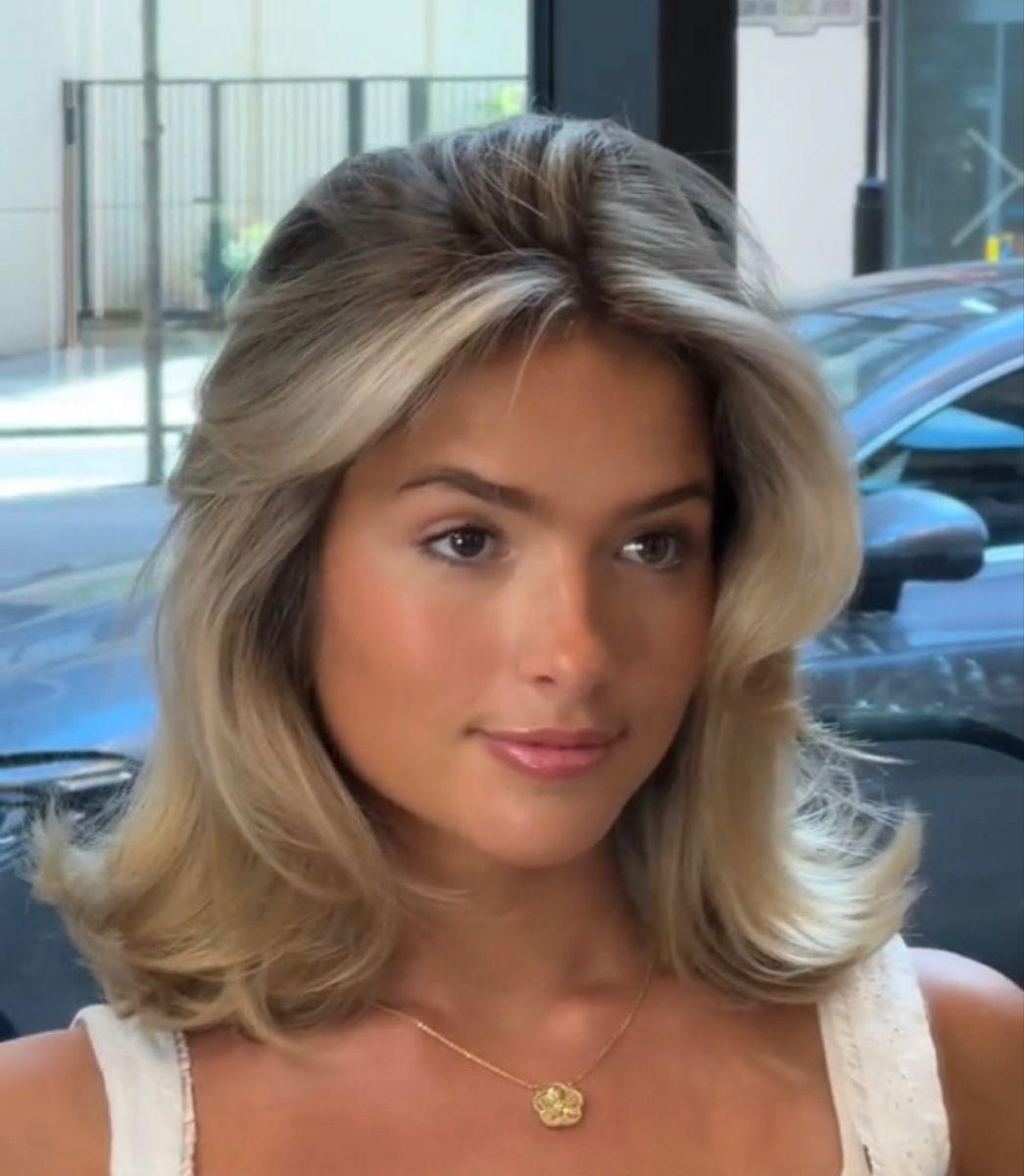
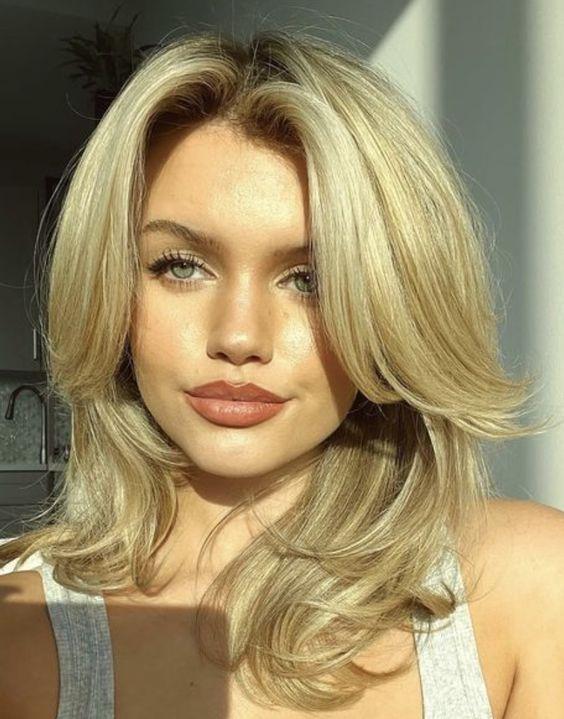
Collarbone-length hair gives the classic blowout silhouette with enough length for soft waves and flipped ends. It is a practical middle ground when a bob feels too short but long hair feels heavy.
I find this length especially useful for clients wanting visible layers without committing to a major cut. The shape can hold volume while still feeling light around the shoulders.
Mid-Length Layered 90s Blowout Hair
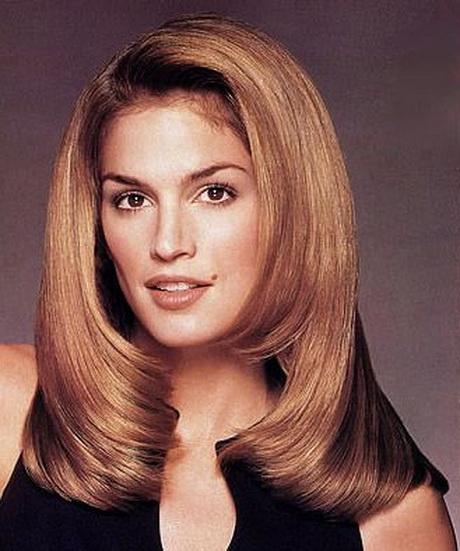
Mid-length layered hair is where the 90s blowout starts to show its signature movement. Layers create separation, while a rounded blow-dry creates the curved finish associated with the era.
Modern layered cuts often keep the shape softer than original versions, with more natural movement and less rigid styling.
Long Layered 90s Blowout Hair
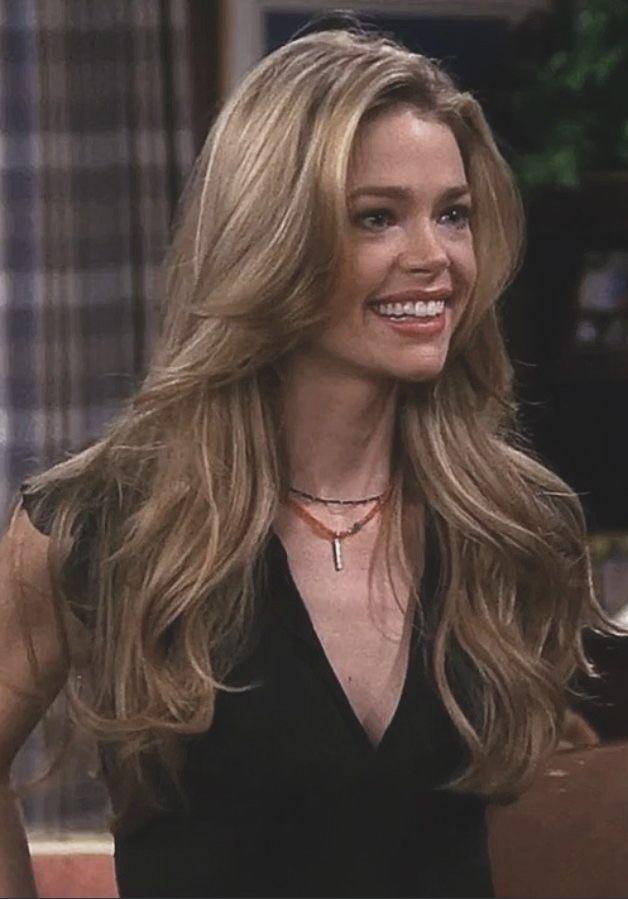
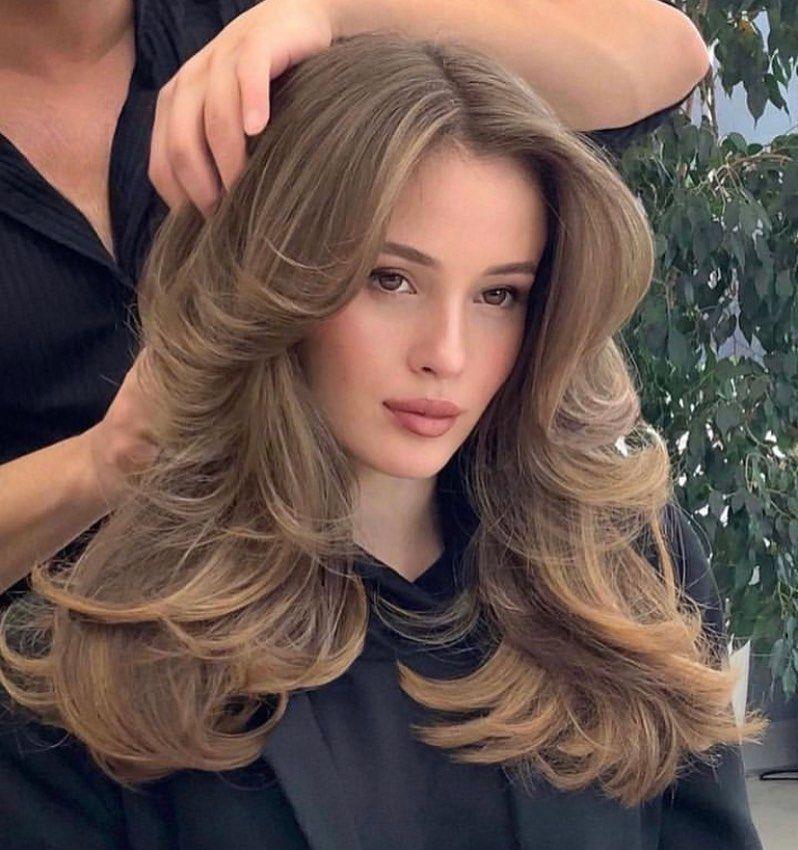
Long layered blowouts create the sweeping volume many people associate with supermodel hair. The important detail is removing weight without losing the length needed for a flowing finish.
Long hair usually requires more drying time, more product, and more sectioning. A first attempt can easily take 45 minutes or longer depending on density.
Waist-Length 90s Blowout Hair
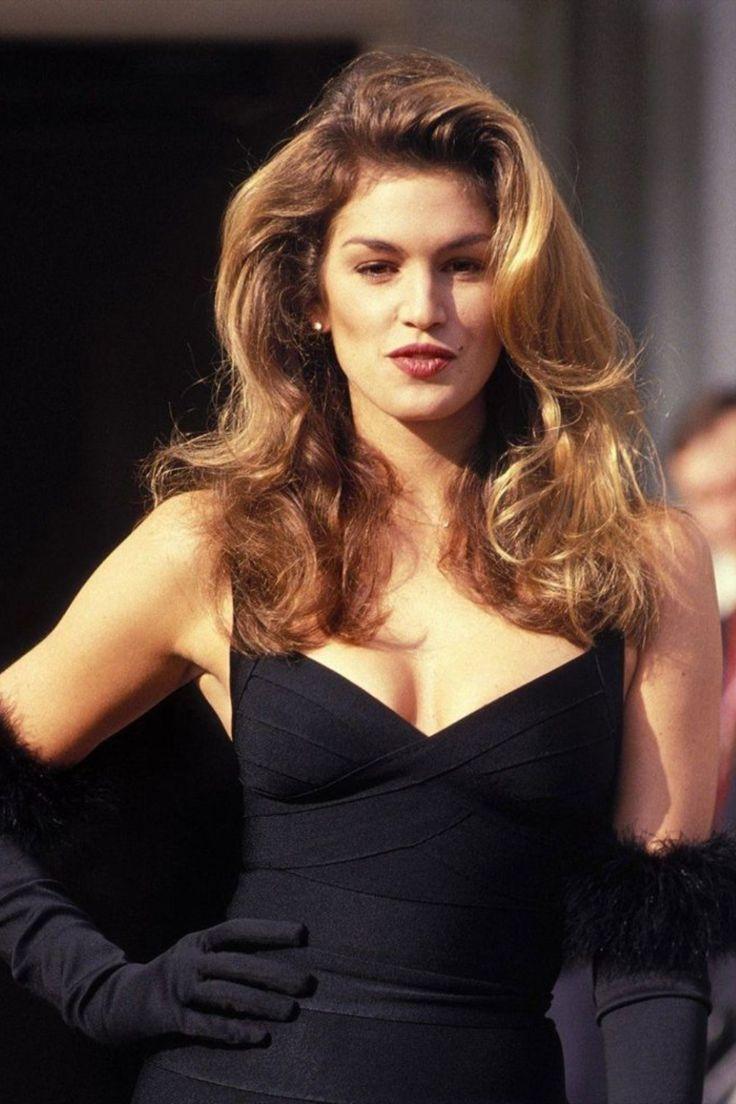
Waist-length blowout hair delivers maximum drama but needs realistic maintenance. The longer the hair, the heavier the ends become, which can reduce bounce.
I would ask for long, blended layers rather than removing too much length. This keeps the shape soft while protecting the fullness needed for a 90s finish.
Short Bob 90s Blowout Hair

Short blowout bobs use rounded ends and crown volume to recreate the polished 90s feel. The style usually sits around chin to jaw length.
This cut needs regular shaping because small changes in length affect the curve. Blowout bobs have also been highlighted in recent styling guides as part of the renewed interest in vintage-inspired volume.
Chin-Length 90s Blowout Hair
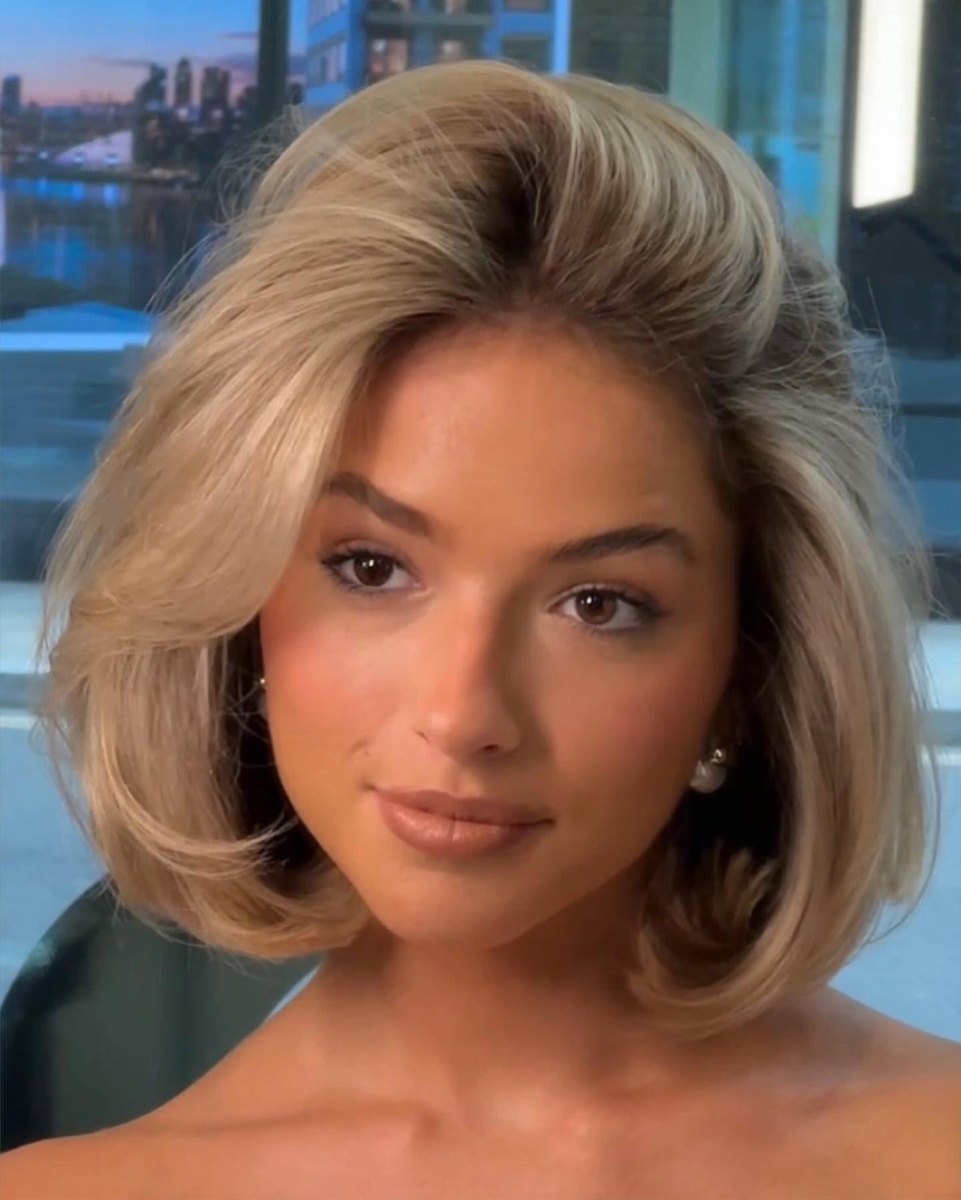
Chin-length blowouts create a compact version of the trend with lifted roots and curved ends. They are quicker to style because there is less hair to dry.
The main challenge is controlling shape. Too much product can flatten the airy finish, while too little can leave fine hair without enough structure.
Pixie-Length 90s Blowout Hair
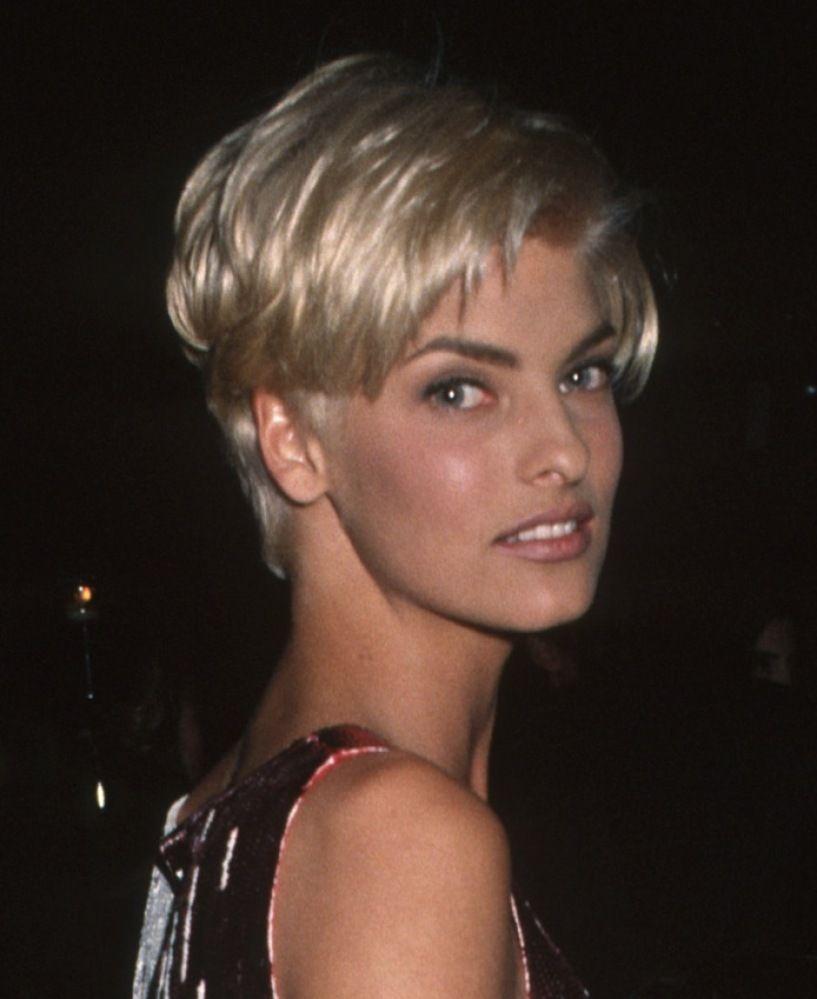
Pixie-length blowouts reinterpret the trend through texture instead of long waves. The focus shifts to crown height, brushed direction, and soft volume.
This version works best with a cut that already has movement built in. Styling time is often shorter, but shaping appointments are usually more frequent.
Face-Framing 90s Blowout Hair Layers
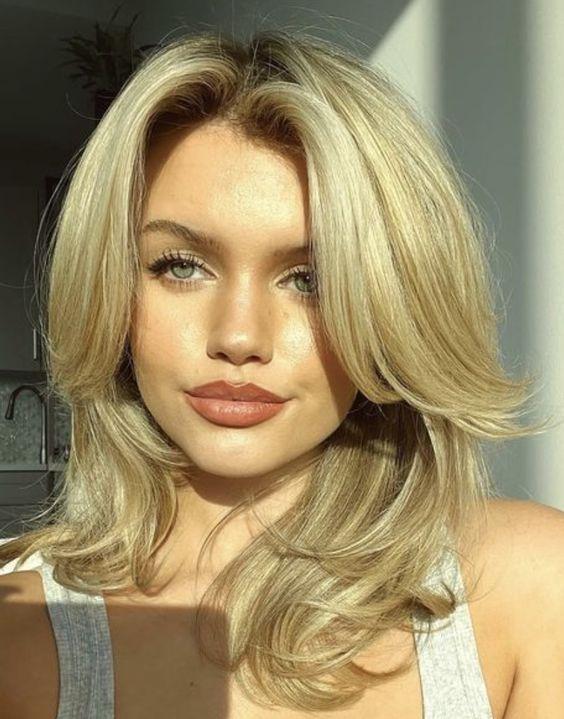
Face-framing layers are one of the defining details of modern 90s blowouts. They connect shorter front pieces with longer lengths for a flowing shape.
Recent trend reporting continues to feature face-framing layers alongside supermodel blowouts and customized cuts.
Feathered 90s Blowout Hair Lengths
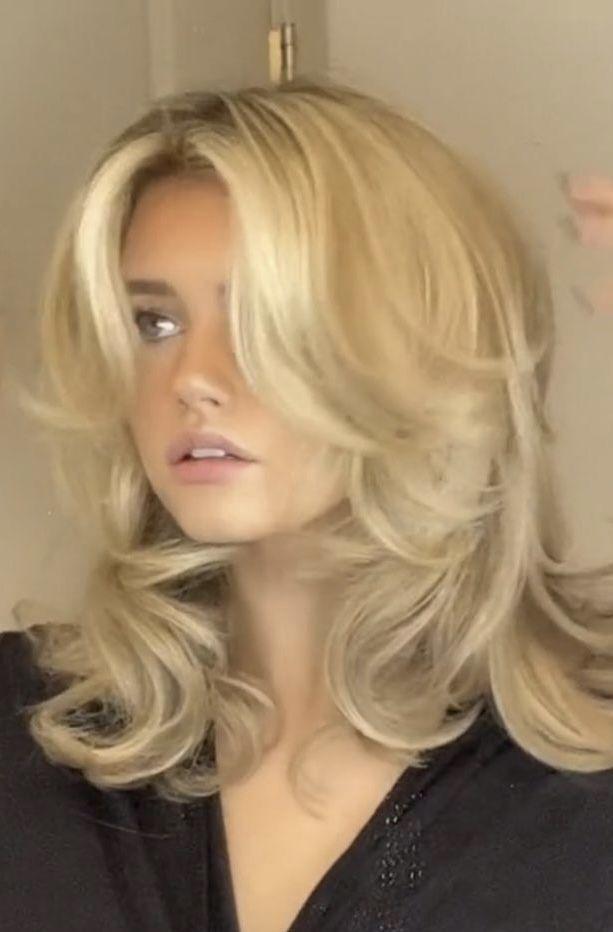
Feathered layers create the soft ends and airy movement that make a blowout look brushed rather than curled. The technique works across several lengths.
Heavy layering can remove too much fullness from fine hair, so the amount of feathering should match the density and texture.
Voluminous Curly 90s Blowout Hair
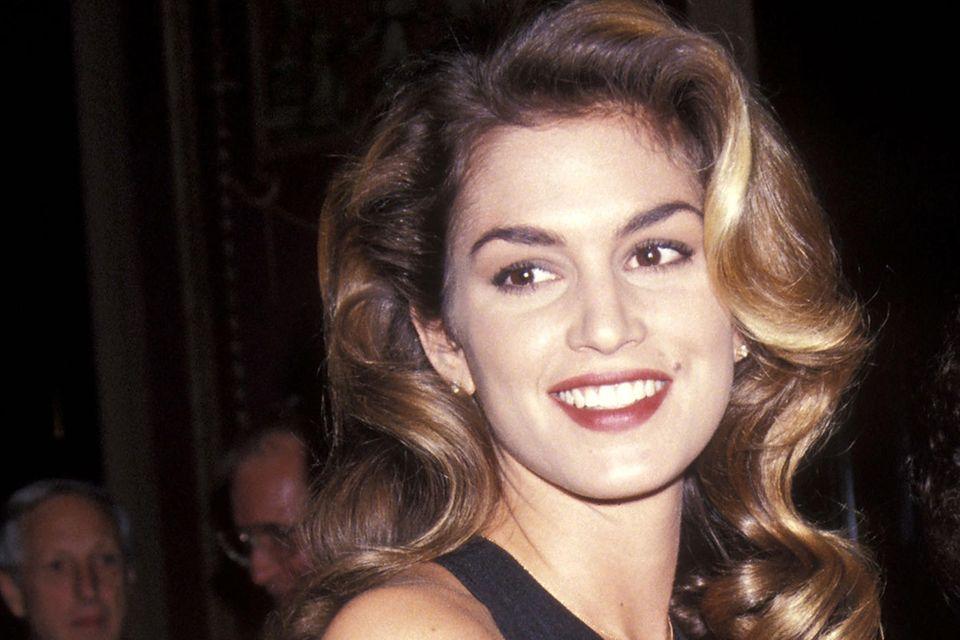
Curly 90s blowouts focus on controlled volume rather than smoothing every curl away. The shape comes from definition, lift, and a rounded finish.
Curly and coily textures may need different techniques than straight hair, and I would avoid assuming one blowout method works universally.
Straight and Sleek 90s Blowout Hair
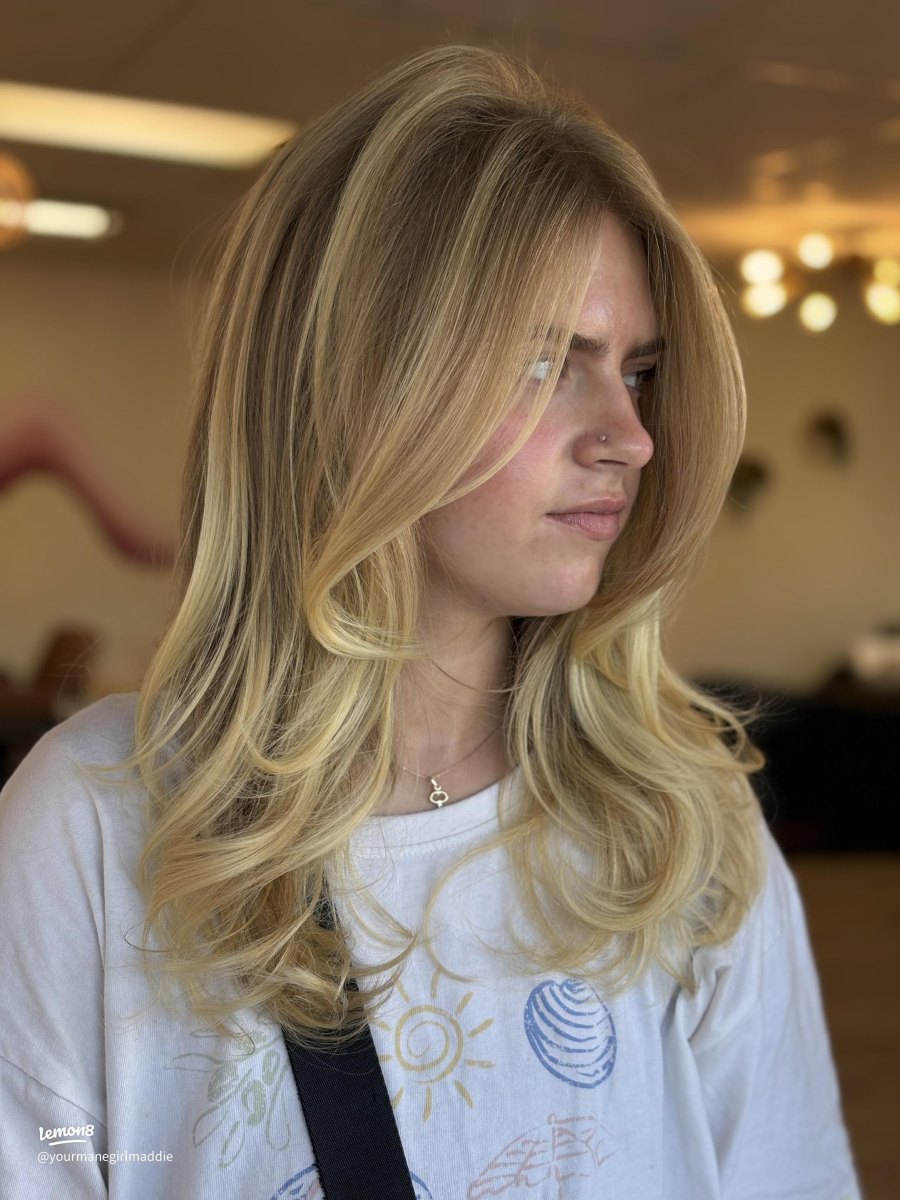
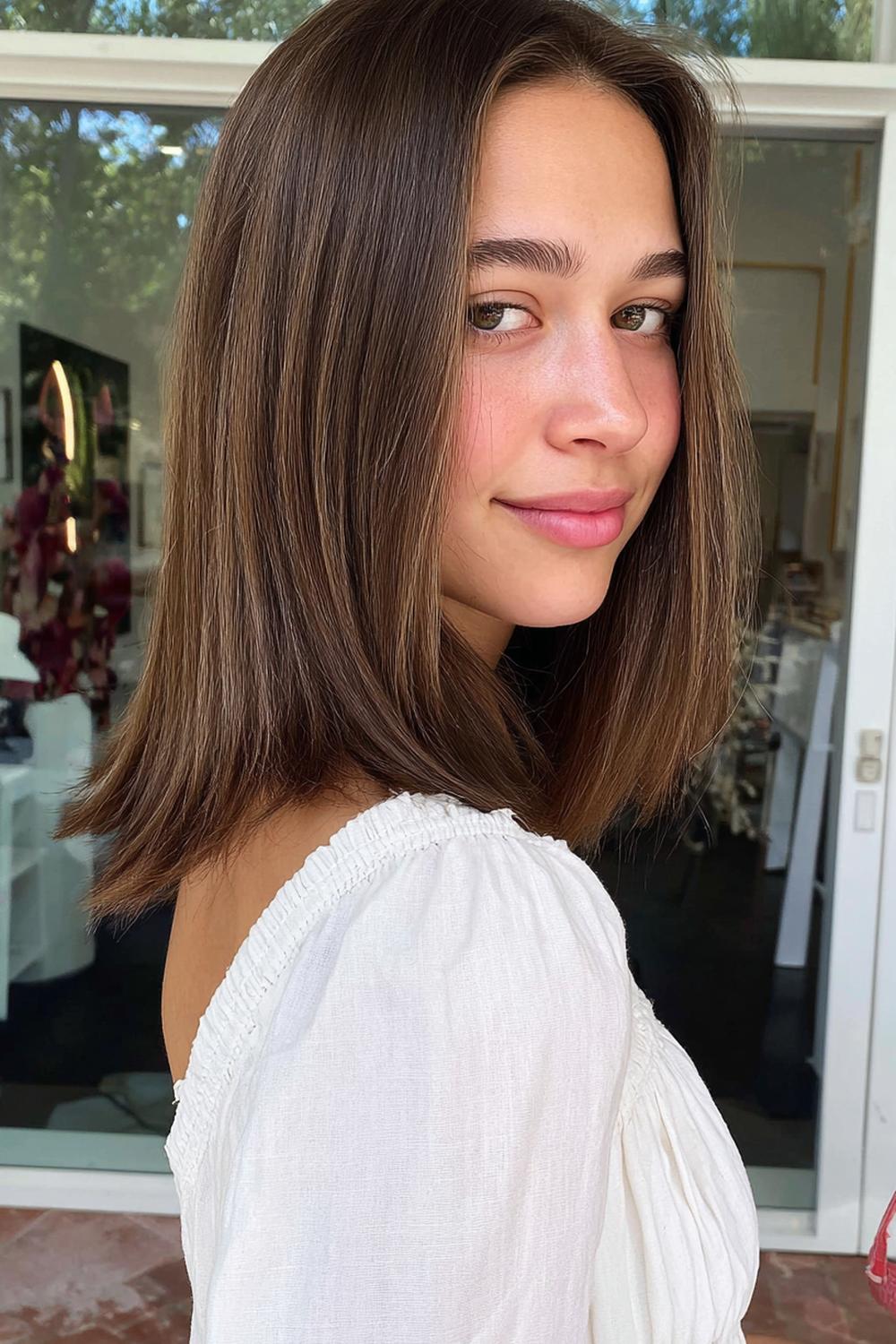
Sleek 90s blowouts keep the shine and movement while reducing the amount of curl. The ends usually have a soft bend instead of a dramatic wave.
Thicker hair often holds this shape well, while fine hair may need lightweight volumizing products to avoid losing body.
Big Supermodel 90s Blowout Hair
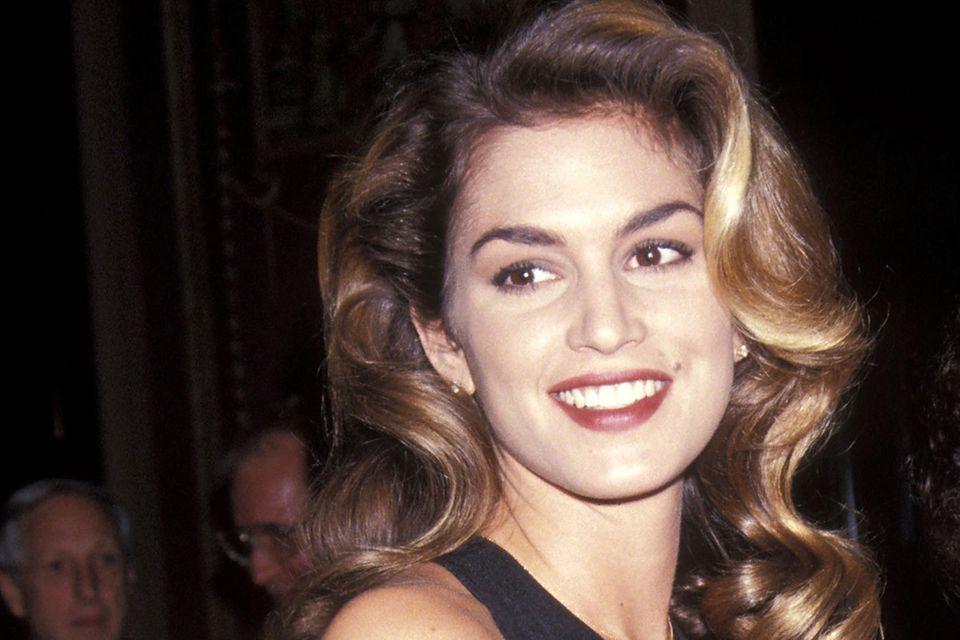
Supermodel blowouts remain the reference point for this trend, with large roots, brushed waves, and glossy movement. The look is strongly connected with 90s icons such as Cindy Crawford and Claudia Schiffer.
The modern version usually feels softer and more touchable rather than heavily sprayed or stiff.
Medium Shag 90s Blowout Hair
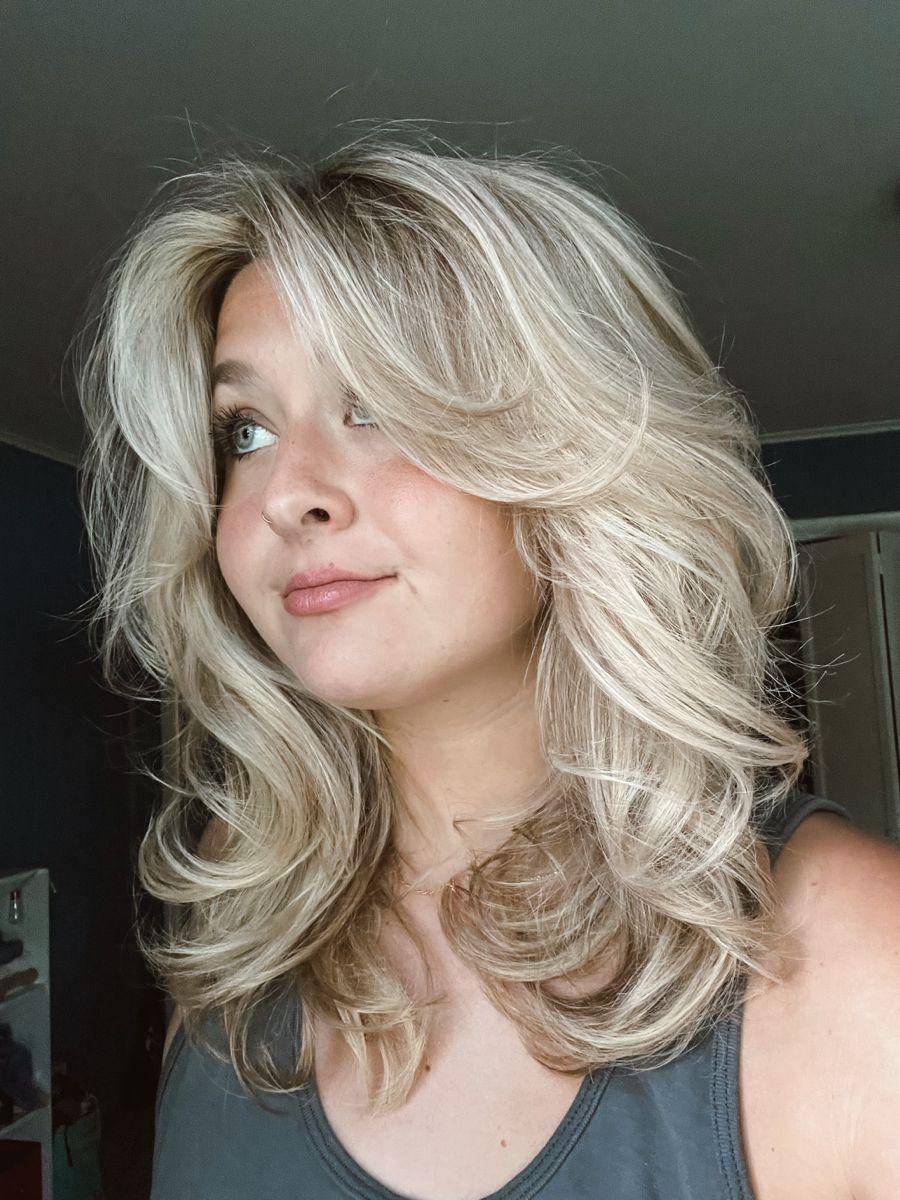
Medium shag blowouts combine layered texture with rounded volume. They create more movement through the crown and sides than a traditional one-length cut.
The key is balance. Too many short layers can make styling unpredictable, especially on thick or curly textures.
Long Curtain Bangs 90s Blowout Hair

Long curtain bangs are a natural match for 90s blowouts because they blend into the longer layers. They add front movement without requiring a full fringe commitment.
Current bang trends continue to include curtain-style shapes because they can grow out more easily than shorter fringe options.
Shoulder-Grazing Flip 90s Blowout Hair
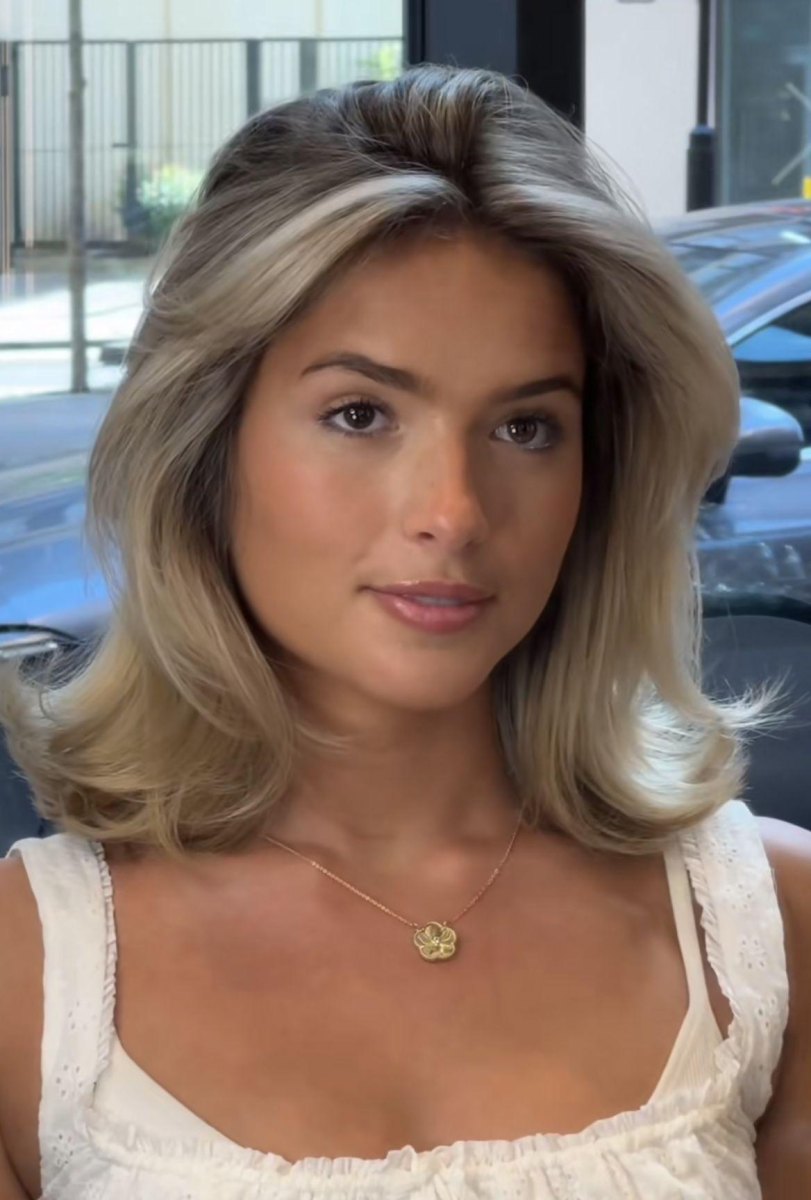
Shoulder-grazing flips capture the playful side of 90s styling. The ends turn outward or inward depending on the brush direction and haircut shape.
This length is one of the easiest places to experiment because small styling changes create a noticeable difference.
Extra-Long Bombshell 90s Blowout Hair
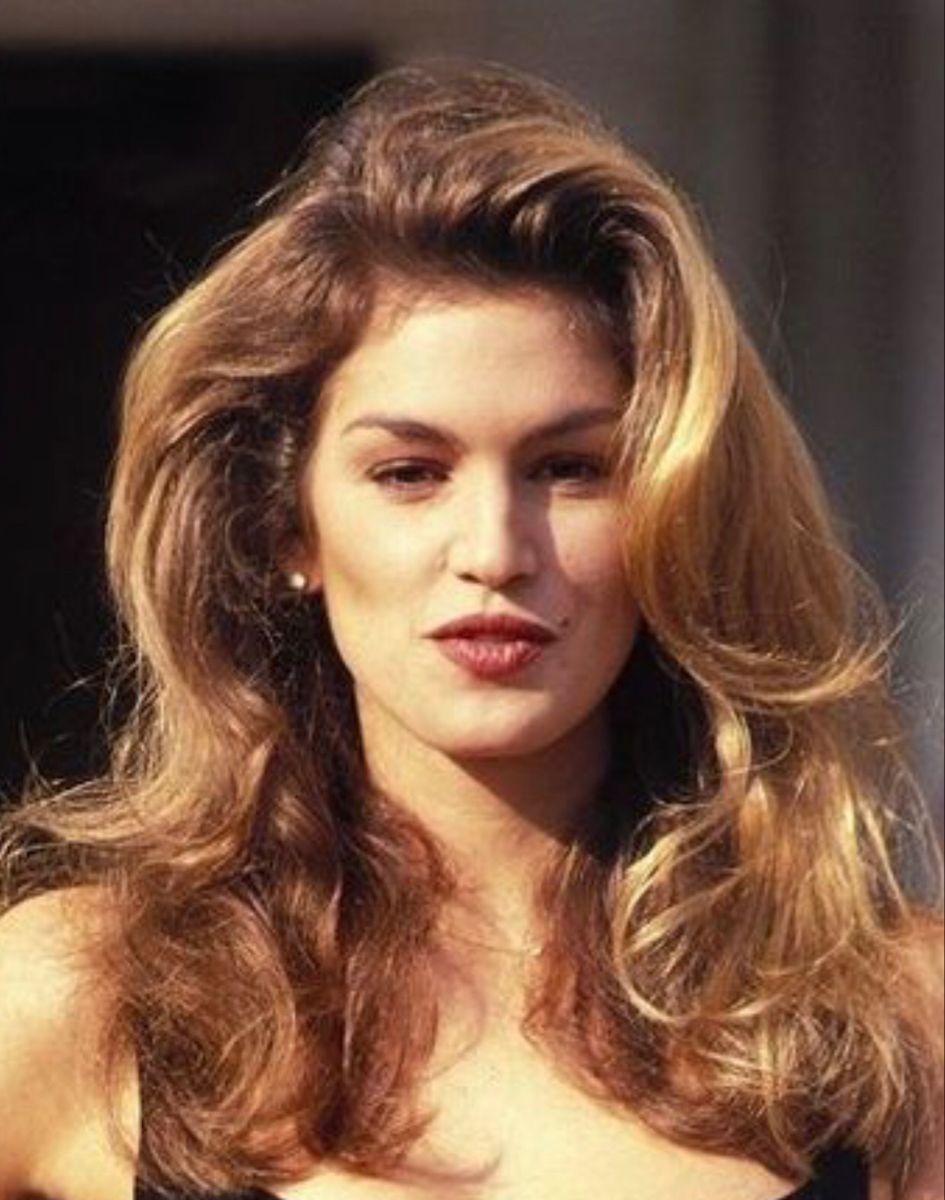
Extra-long bombshell hair creates the biggest canvas for cascading volume. It needs careful layering so the roots can lift while the ends stay healthy.
Long styles require consistent trims to manage split ends, but the exact schedule depends on damage, texture, and styling habits.
Layered Lob 90s Blowout Hair
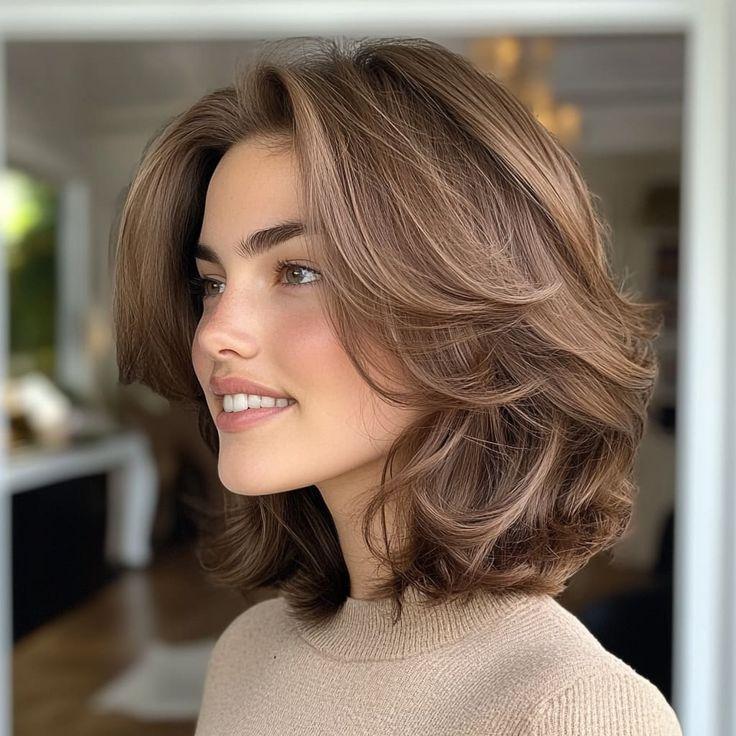
Layered lobs combine the movement of long hair with the easier handling of a shorter cut. They are a strong option for anyone wanting volume without extreme length.
I like this length for a first 90s blowout because it offers enough hair for shape while keeping styling time manageable.

More Pinterest Visuals